
STICK WITH
THE BEST

Common Mistakes to Avoid When Using Automotive Refinish Washi Tape
Release Time:
2024-11-11
Source:
Introduction to Automotive Refinish Washi Tape
Automotive refinish washi tape has become a staple in the automotive painting process. Known for its versatility and ease of use, it is favored by both professionals and DIY enthusiasts. However, despite its advantages, many users encounter challenges that lead to subpar results. This article delves into the **common mistakes** made while using automotive refinish washi tape and provides detailed insights on how to avoid these pitfalls. By understanding these errors, you can ensure a superior finish and elevate your project to professional standards.
Mistake #1: Neglecting Surface Preparation
One of the most significant errors in using automotive refinish washi tape is **failing to prepare the surface properly**. Before applying tape, ensure that the area is clean, dry, and free from contaminants such as dust, grease, and old paint. Any residue on the surface can interfere with the tape’s adhesion, leading to paint bleed and uneven lines.
To prepare the surface:
- Clean the area with soap and water or a specialized automotive cleaner.
- Use a degreaser for oil-based contaminants.
- Allow the surface to dry completely before proceeding.
Importance of Surface Preparation
Surface preparation not only enhances tape adhesion but also ensures that the paint adheres evenly. A well-prepared surface contributes to a more professional appearance and increases the durability of the finish.
Mistake #2: Using the Wrong Tape for the Job
Many users make the mistake of using the **wrong type of washi tape** for their specific needs. Automotive refinish washi tape comes in various grades, each designed for different applications. Choosing a tape that is too weak or not suitable for automotive finishes can lead to issues such as tearing or ineffective masking.
When selecting washi tape:
- Look for tape specifically labeled for automotive use.
- Consider the tape's adhesion level, as some projects may require a stronger bond than others.
- Review the temperature resistance of the tape if you plan to paint in varying climates.
Choosing the Right Tape
Using the appropriate tape ensures optimal results and reduces the risk of costly mistakes. Always check product specifications and reviews before making your selection.
Mistake #3: Applying Tape Improperly
Improper application of automotive refinish washi tape can lead to uneven lines and paint bleed. It is crucial to apply the tape smoothly without wrinkles or bubbles. When tape is not applied correctly, it can lift during the painting process, compromising the quality of your work.
For proper tape application:
- Start at one end and gradually press down, smoothing out as you go.
- Avoid stretching the tape, as this can affect its adhesion.
- Ensure that the edges are securely pressed down to prevent paint from seeping underneath.
Techniques for Effective Application
Utilizing a tape applicator tool can help achieve a flawless application. Additionally, using a burnishing tool can further secure the edges of the tape, creating a tight seal against paint seepage.
Mistake #4: Overlooking Temperature and Humidity
Environmental factors play a vital role in the effectiveness of automotive refinish washi tape. High humidity and low temperatures can negatively affect the tape's adhesion and the paint's drying process. Not considering these elements can lead to disappointing results.
For optimal conditions:
- Check the manufacturer’s recommendations regarding temperature and humidity.
- Aim for a controlled environment that maintains moderate temperature and humidity levels.
- If working outdoors, consider the time of day and weather conditions.
Impact of Environmental Conditions
Understanding how temperature and humidity affect your materials can save you from unnecessary rework. Ensuring the right conditions will lead to better paint adhesion and a smoother finish.
Mistake #5: Forgetting to Test the Adhesion
Before commencing with a full project, it is advisable to **test the tape adhesion** on a small area. This step can help identify any potential issues with the tape or surface materials. Skipping this test can lead to unexpected results once the paint is applied.
To test adhesion:
- Apply a small piece of washi tape to an inconspicuous area.
- Wait for a few minutes, then remove the tape gently.
- Observe if any paint or material comes off with the tape.
Why Testing is Essential
Conducting a simple adhesion test can save time and materials by ensuring compatibility. If the adhesion is poor, you can adjust your approach before committing to the complete project.
Mistake #6: Not Removing the Tape at the Right Time
Timing is everything when it comes to tape removal. Many users make the mistake of either removing the tape too early or too late, leading to issues such as tearing or paint lifting. Understanding the right moment to remove the tape is crucial for achieving clean lines.
For optimal tape removal:
- Remove the tape when the paint is still slightly tacky, usually within a 30-minute window after painting.
- Pull the tape back on itself at a 45-degree angle to minimize the risk of lifting paint.
- If you notice any mistakes, use a fine brush to touch up the edges after tape removal.
Best Practices for Tape Removal
Employing a methodical approach to tape removal ensures a neat finish. Taking your time and using the correct angle can enhance the final appearance of your work.
Conclusion
Using automotive refinish washi tape can elevate your painting projects when done correctly. By avoiding common mistakes such as neglecting surface preparation, using the wrong tape, improper application, overlooking environmental factors, forgetting adhesion tests, and incorrect tape removal timing, you can achieve a flawless finish. Following the tips outlined in this article will not only improve your outcomes but also enhance your overall painting experience. Embrace these best practices, and watch as your projects transform into professional-grade results.
FAQs about Automotive Refinish Washi Tape
1. What is automotive refinish washi tape used for?
Automotive refinish washi tape is primarily used for masking areas during painting to achieve clean lines and prevent paint seepage.
2. Can I use washi tape for other purposes in automotive projects?
Yes, washi tape can be used for various purposes, including detailing, decorating, and marking areas for repairs.
3. Is washi tape reusable?
While washi tape is designed for single-use applications, some users may find it can be reused if removed carefully without damage.
4. How do I clean surfaces before applying washi tape?
You can clean surfaces with soap and water or a degreasing agent to remove contaminants that may affect adhesion.
5. What should I do if the tape tears during application?
If the tape tears, simply cut a new piece and apply it over the damaged area, ensuring a smooth application without gaps.
By adhering to these guidelines and avoiding common mistakes, you can maximize the effectiveness of automotive refinish washi tape in your painting projects.
Related Information
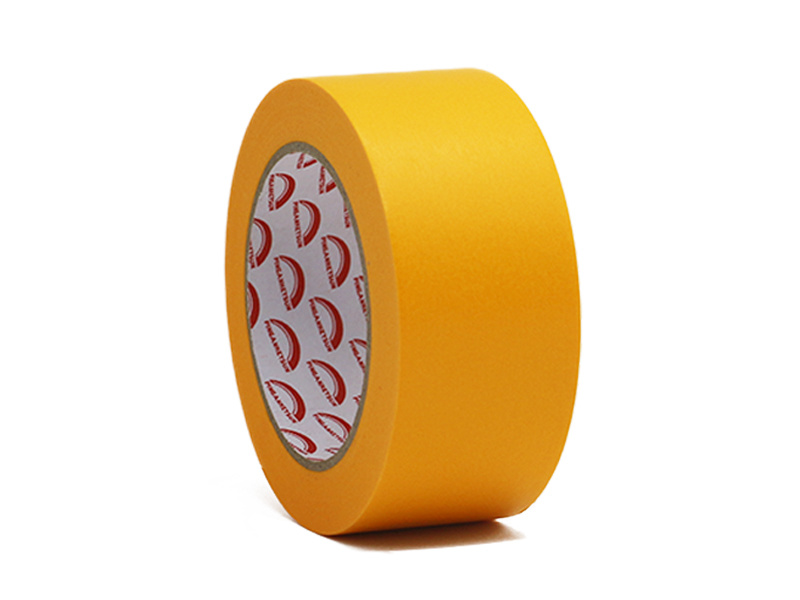
From Simple to Stunning: Transform Your Space with Golden Washi Tape
From Simple to Stunning: Transform Your Space with Golden Washi Tape Table of Contents 1. Introduction to Golden Washi Tape 2. Benefits of Using Golden Washi Tape in Home Decor 2.1 Cost-Effective Decorating Solution 2.2 Versatility and Ease of Use 2.3 Eco-Friendly Choice 3. Creative Ways to Use Golden Washi Tape 3.1 Accent Walls and Borders 3.2 DIY Art Projects 3.3 Gift Wrappin

Unleashing the Power of High Adhesive Washi Tape: A Versatile Tool for Creative Packaging
High Adhesive Washi Tape is a highly versatile product that has been gaining popularity due to its unique properties, making it an essential tool for professionals in the light industrial goods sector, particularly in the realm of labeling, tapes, and adhesive products. Unlike traditional tapes, Washi Tape is crafted from natural fibers, giving it a distinct texture and appearance that can enhance
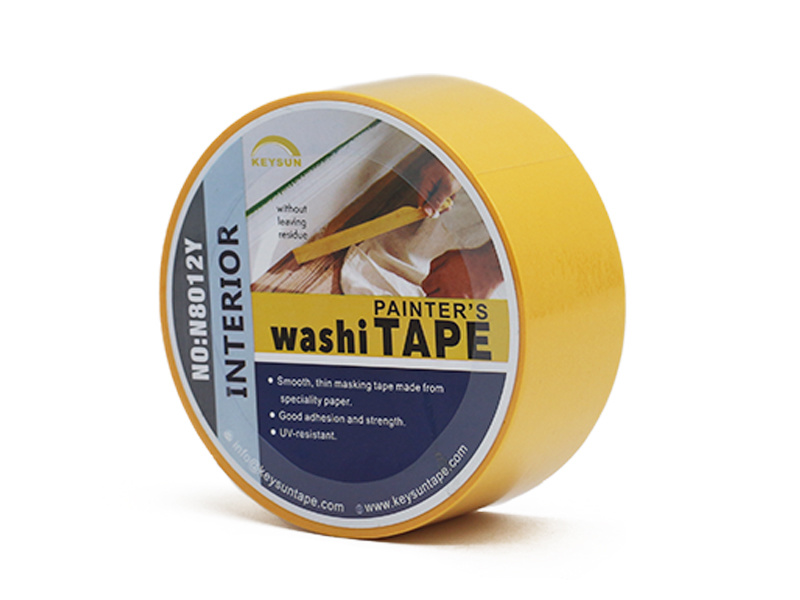
Mastering DIY: Expert Tips for Using Delicate Masking Tape to Achieve Perfect Edges
Mastering DIY: Expert Tips for Using Delicate Masking Tape to Achieve Perfect Edges Table of Contents Understanding Delicate Masking Tape Benefits of Using Delicate Masking Tape Choosing the Right Masking Tape for Your Project Essential DIY Techniques Using Masking Tape Prepping Your Surface for Masking Tape Application Steps for Achieving Perfect Edges with Masking Tape Common Mist
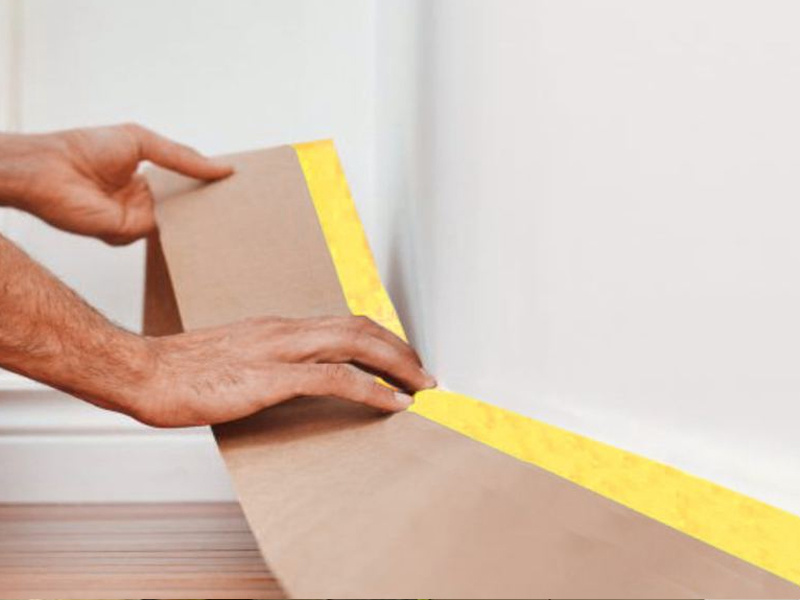
Unlocking the Versatility of EVO Colored Masking Tape: A Comprehensive Guide
EVO Colored Masking Tape is a remarkable adhesive product widely used in various industries, particularly in packaging, labeling, and creative applications. This versatile tape is designed to meet the needs of professionals who require reliable and efficient solutions for their projects. With its unique color options and features, EVO Colored Masking Tape stands out as an invaluable tool for both
// GET A QUOTE
Leave us a message !
At Keysun, we value partnerships and look forward to the opportunity to work with you. Explore our website to learn more about our products and services, and discover how we can meet your needs with our exceptional quality and expertise.
USA Office:
Address: 14380 Telephone Ave, Chino, CA 91710
China Office:
WeChat ID:
1159223657
Address: No.38,changzhong road, zhongluotan town,baiyun dist.,guangzhou, guangdong,China


COPYRIGHT©2024 Guangzhou Baiyun District KEYSUN Decorative Materials Factory Co., Ltd ALL RIGHTS RESERVED