
STICK WITH
THE BEST

Mastering DIY: Expert Tips for Using Delicate Masking Tape to Achieve Perfect Edges
Release Time:
2026-10-07
Source:
Mastering DIY: Expert Tips for Using Delicate Masking Tape to Achieve Perfect Edges
Table of Contents
- Understanding Delicate Masking Tape
- Benefits of Using Delicate Masking Tape
- Choosing the Right Masking Tape for Your Project
- Essential DIY Techniques Using Masking Tape
- Prepping Your Surface for Masking Tape Application
- Steps for Achieving Perfect Edges with Masking Tape
- Common Mistakes to Avoid When Using Masking Tape
- Frequently Asked Questions
- Conclusion
Understanding Delicate Masking Tape
Delicate masking tape is a vital tool in the DIY enthusiast's arsenal. Unlike regular masking or duct tape, delicate masking tape is designed to be gentle on surfaces, making it perfect for delicate projects. Its unique adhesive ensures that it sticks well without leaving residue or damaging the underlying material once removed. This quality is particularly important for intricate designs, where precision is key.
Benefits of Using Delicate Masking Tape
Utilizing delicate masking tape in your DIY projects offers numerous advantages. Here are some significant benefits:
1. Clean Edges
One of the primary benefits of using delicate masking tape is the ability to achieve sharp, clean edges. This is crucial for painting and crafting, where precision can make or break the final outcome.
2. Versatility
Delicate masking tape can be used in various applications, from painting walls to creating intricate designs on crafts and gifts. Its versatility makes it an essential item for any DIY project.
3. Damage Prevention
Traditional tapes can leave residue and damage the surface they are applied to. Delicate masking tape, on the other hand, is engineered to minimize surface damage, making it ideal for use on painted walls, wallpaper, and delicate surfaces.
4. Easy to Remove
After completing your project, delicate masking tape can be peeled away easily, leaving behind a clean edge without tearing the paper or damaging the paint underneath.
Choosing the Right Masking Tape for Your Project
Not all masking tapes are created equal. Depending on your specific project, you will want to choose the right type of delicate masking tape. Here are a few considerations to keep in mind:
1. Width of the Tape
Delicate masking tape comes in various widths. For detailed work, opt for narrower tape, while broader tape is more suitable for larger areas.
2. Adhesive Strength
Consider the adhesive strength. Some projects may require a stronger grip, while others benefit from a lighter hold to prevent surface damage.
3. Surface Compatibility
Ensure that the tape you choose is compatible with the surfaces you are working on. For instance, delicate masking tape is suitable for painted surfaces, wallpaper, and other sensitive materials.
Essential DIY Techniques Using Masking Tape
Mastering a few essential techniques can go a long way in enhancing your DIY projects. Here are some effective methods for using delicate masking tape:
1. Edge Masking
This is the most common use of masking tape. Apply the tape along the edge of the surface you want to protect before painting or applying another layer. Make sure to press it down firmly to prevent paint from seeping underneath.
2. Stenciling
Using delicate masking tape, you can create stencils for intricate designs. Simply cut out your design from the tape, place it on the surface, and apply paint over it. Once dry, peel away the tape to reveal clean lines.
3. Gift Wrapping
Delicate masking tape is perfect for gift wrapping. Use it to create neat edges when wrapping paper meets, or to attach embellishments without leaving a sticky residue.
4. Crafting Projects
For scrapbooking or other crafting endeavors, delicate masking tape adds an element of design. It can be used to outline pictures or create borders.
Prepping Your Surface for Masking Tape Application
Proper preparation of your surface is crucial for achieving the best results with delicate masking tape. Here are the steps to ensure a clean application:
1. Clean the Surface
Begin by wiping down the surface to remove any dust, dirt, or grease. A clean surface helps the tape adhere better and prevents paint from bleeding under the tape.
2. Ensure Dryness
Make sure the surface is completely dry before applying the tape. Moisture can weaken the adhesive and cause it to peel away.
3. Test the Tape
Before applying the tape to your entire project, do a test run on a small, inconspicuous area to ensure it adheres properly and doesn't damage the surface.
Steps for Achieving Perfect Edges with Masking Tape
Following a structured approach can help in achieving impeccable edges:
1. Measure and Cut
Measure the area you wish to tape and cut an appropriate length of delicate masking tape.
2. Align the Tape
Carefully place the tape along the desired edge, ensuring it is straight and aligned. Use a level if needed for larger projects.
3. Secure the Edges
Press down firmly along the edges to secure the tape and prevent any paint seepage.
4. Apply Paint or Finish
Proceed with your painting or finishing process. Ensure you do not overload the brush or roller to minimize the risk of paint bleeding under the tape.
5. Remove the Tape
After the paint has dried, carefully peel away the tape at a 45-degree angle. This helps to avoid tearing the paint or the surface.
Common Mistakes to Avoid When Using Masking Tape
Even experienced DIYers can fall into traps when using masking tape. Here are common mistakes to watch out for:
1. Applying Tape to Wet Surfaces
Always ensure that the surface is dry. Applying tape to wet surfaces can compromise the adhesive and lead to poor results.
2. Not Pressing Down Firmly
Inadequate pressure on the tape edges can allow paint to seep underneath, ruining your clean edge.
3. Rushing the Removal Process
Be patient when removing the tape. Pulling it off too quickly can lead to tearing or damage to the painted surface.
4. Ignoring Surface Compatibility
Using the wrong type of tape for your surface can cause damage. Always verify compatibility before starting your project.
Frequently Asked Questions
1. Can I use delicate masking tape on textured surfaces?
Yes, but results may vary. Test a small area first to determine effectiveness.
2. How long can I leave masking tape on before removing it?
Ideally, remove the tape within a few hours of paint application to prevent the paint from curing onto the tape.
3. Will delicate masking tape leave residue on surfaces?
No, delicate masking tape is designed to minimize residue when removed correctly.
4. Can I use delicate masking tape for indoor and outdoor projects?
Yes, but ensure that the tape is rated for outdoor use if applying it outside.
5. What should I do if paint seeps under the tape?
If this happens, touch up the area with a fine brush after the paint has dried.
Conclusion
Using delicate masking tape effectively can dramatically enhance the quality of your DIY projects. By understanding its benefits, choosing the right tape, and following the right techniques, you can achieve professional-looking results, whether you’re painting, crafting, or wrapping gifts. Remember to prepare your surfaces adequately, avoid common pitfalls, and take your time for the best outcome. Embrace the art of DIY with the precision that delicate masking tape offers, and watch your projects transform into polished masterpieces.
Related Information
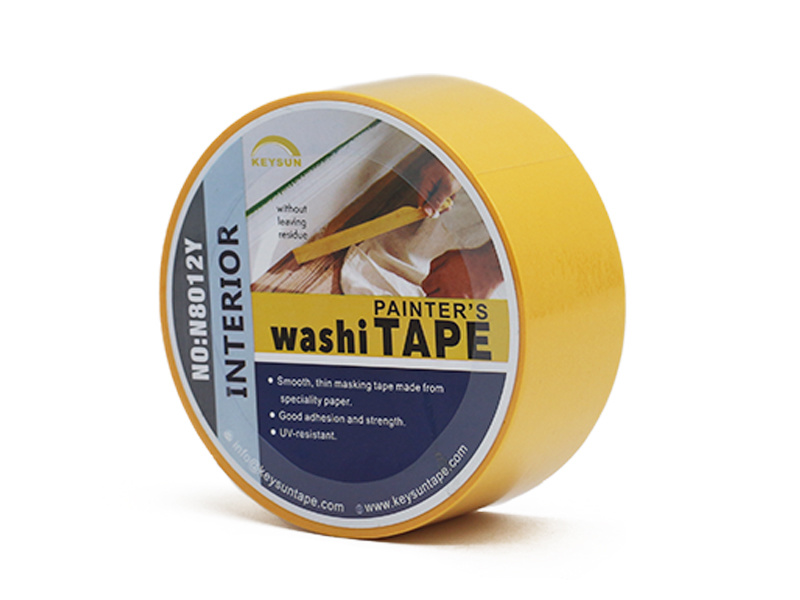
Mastering DIY: Expert Tips for Using Delicate Masking Tape to Achieve Perfect Edges
Mastering DIY: Expert Tips for Using Delicate Masking Tape to Achieve Perfect Edges Table of Contents Understanding Delicate Masking Tape Benefits of Using Delicate Masking Tape Choosing the Right Masking Tape for Your Project Essential DIY Techniques Using Masking Tape Prepping Your Surface for Masking Tape Application Steps for Achieving Perfect Edges with Masking Tape Common Mist
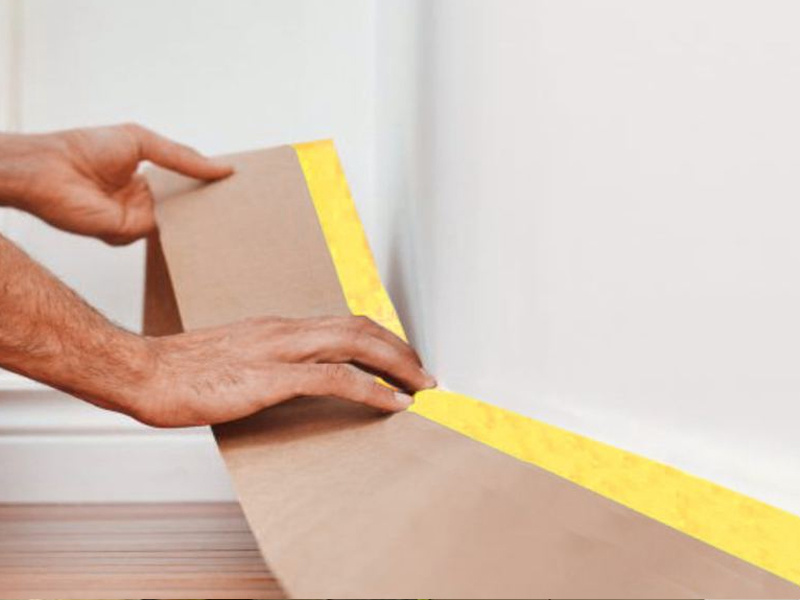
Unlocking the Versatility of EVO Colored Masking Tape: A Comprehensive Guide
EVO Colored Masking Tape is a remarkable adhesive product widely used in various industries, particularly in packaging, labeling, and creative applications. This versatile tape is designed to meet the needs of professionals who require reliable and efficient solutions for their projects. With its unique color options and features, EVO Colored Masking Tape stands out as an invaluable tool for both
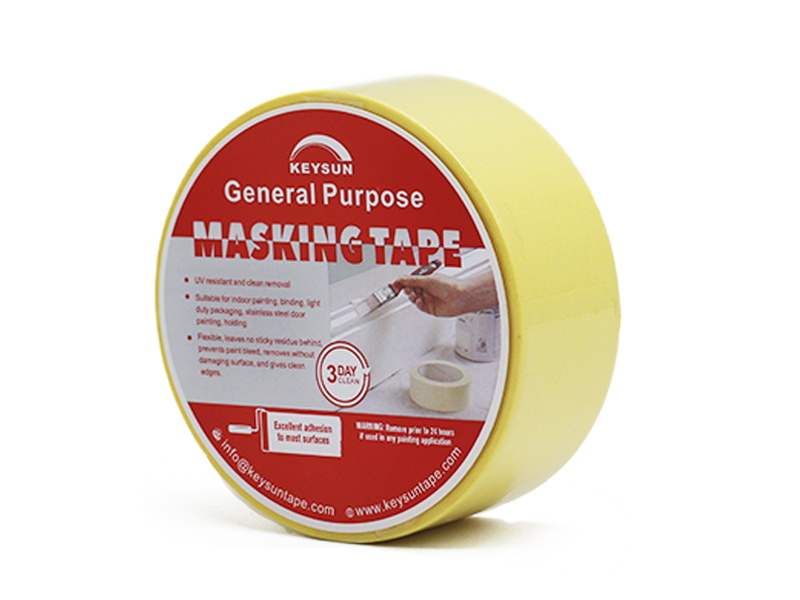
Avoid Common Mistakes with General Purpose Yellow Masking Tape in Painting: A Comprehensive Guide
Avoid Common Mistakes with General Purpose Yellow Masking Tape in Painting: A Comprehensive Guide Painting is an art that requires precision and technique. One of the best tools to achieve clean lines and a professional finish is **general-purpose yellow masking tape**. However, using this tape incorrectly can lead to unsatisfactory results. This guide will delve into the most common mistakes peop

Understanding Masking Tape: Essential Insights for Professionals in Adhesive Products
Masking tape is a versatile adhesive product widely used in various industries, particularly in light industrial goods, including labeling, tape, and adhesive products. Known for its ease of use and effectiveness, this type of tape is essential for professionals seeking solutions for precise applications. Understanding its characteristics, varieties, and applications can significantly impact your
// GET A QUOTE
Leave us a message !
At Keysun, we value partnerships and look forward to the opportunity to work with you. Explore our website to learn more about our products and services, and discover how we can meet your needs with our exceptional quality and expertise.
USA Office:
Address: 14380 Telephone Ave, Chino, CA 91710
China Office:
WeChat ID:
1159223657
Address: No.38,changzhong road, zhongluotan town,baiyun dist.,guangzhou, guangdong,China


COPYRIGHT©2024 Guangzhou Baiyun District KEYSUN Decorative Materials Factory Co., Ltd ALL RIGHTS RESERVED