
STICK WITH
THE BEST

Exploring the Versatility of Automotive Refinish Washi Tape in Vehicle Restoration
Release Time:
2024-11-29
Source:
Exploring the Versatility of Automotive Refinish Washi Tape in Vehicle Restoration
Table of Contents
- Introduction to Automotive Refinish Washi Tape
- What is Washi Tape?
- Benefits of Automotive Refinish Washi Tape
- Applications of Washi Tape in Vehicle Restoration
- Surface Preparation and Protection with Washi Tape
- Creative and Decorative Uses of Washi Tape in Automotive Projects
- How to Use Automotive Refinish Washi Tape Effectively
- Frequently Asked Questions
- Conclusion
Introduction to Automotive Refinish Washi Tape
In the world of vehicle restoration, precision and creativity are paramount. Automotive refinish washi tape has emerged as an essential tool for both DIY enthusiasts and professional restorers. This specialty tape is designed to meet the unique demands of the automotive industry, offering a combination of flexibility, ease of use, and aesthetic appeal. By exploring the versatility of automotive refinish washi tape, we can unveil its incredible range of applications that enhance vehicle restoration projects.
What is Washi Tape?
Washi tape, originating from Japan, is a decorative paper tape made from traditional washi paper, which is known for its strength, durability, and lightweight properties. Unlike standard masking tape, washi tape is often translucent, allowing light to filter through, and comes in various colors, patterns, and textures. Automotive refinish washi tape takes this concept further by incorporating features specifically designed for automotive applications, such as resistance to solvents and temperature variations, ensuring it withstands the rigors of vehicle restoration.
Benefits of Automotive Refinish Washi Tape
Automotive refinish washi tape offers several key benefits that make it an invaluable asset in vehicle restoration projects:
1. Precision and Control
The fine adhesion properties of washi tape allow for precise application, ensuring clean lines and edges during painting, detailing, or any other restoration process. This precision leads to a more professional finish.
2. Easy Removal
One of the standout features of washi tape is its easy removal without leaving residue behind. This quality is particularly beneficial in vehicle restoration, where removing tape without damaging the surface is crucial.
3. Versatile Applications
Whether you are masking off areas for painting, creating intricate designs, or adding decorative touches, automotive refinish washi tape can adapt to various applications, making it a versatile tool in your arsenal.
4. Aesthetic Appeal
With an array of colors and patterns, washi tape allows restorers to express their creativity. It can add a personal touch to a vehicle, making it stand out from the crowd.
5. Surface Protection
Washi tape provides an additional layer of protection during the restoration process, shielding surfaces from dust, debris, and accidental overspray.
Applications of Washi Tape in Vehicle Restoration
The applications of automotive refinish washi tape in vehicle restoration are extensive. Here are some of the most common uses:
1. Masking for Painting
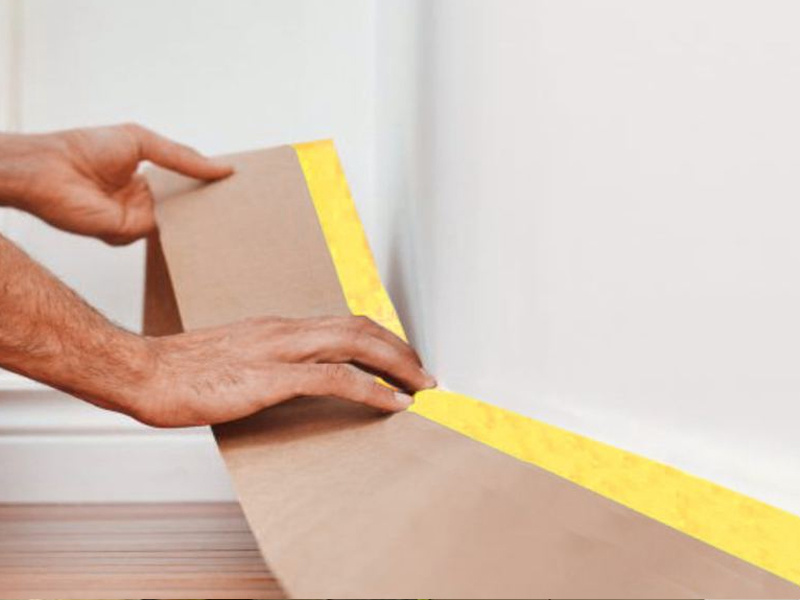
Proper masking is essential for achieving clean, professional paint jobs. Automotive refinish washi tape can be used to mask off areas that do not require paint, ensuring sharp lines and minimizing overspray.
2. Detailing and Design
For those looking to add a custom touch to their vehicles, washi tape can serve as a design tool. Whether you’re outlining specific sections or creating patterns, the tape can help achieve intricate details.
3. Interior Restoration
Interior vehicle restoration often requires delicate work, especially when dealing with upholstery or dashboard components. Washi tape can help protect surfaces while providing a guide for precise cuts or placements.
4. Temporary Marking
During a complex restoration, it can be helpful to mark specific areas for attention. Washi tape can be used to indicate parts that require additional work without damaging the underlying surface.
5. Custom Graphics and Stripes
Washi tape can also be employed to create custom graphics or stripes on vehicles. This is particularly popular for those who want to personalize their cars without committing to permanent paint.
Surface Preparation and Protection with Washi Tape
Before diving into any restoration project, surface preparation is crucial. Automotive refinish washi tape plays a significant role in this phase by providing protection and ensuring a clean workspace:
1. Protecting Edges and Trim
When working on vehicle exteriors, protecting edges and trim pieces is vital. Washi tape can be applied to these areas to prevent scratches or damage during sanding or painting.
2. Dust and Debris Shielding
During the restoration process, dust and debris can accumulate and affect the final finish. Applying washi tape around areas of focus can help shield them from contaminants.
3. Guiding Alignment
Washi tape can serve as a visual guide during assembly. By marking alignment points, restorers can ensure that components are installed correctly, reducing the likelihood of future issues.
Creative and Decorative Uses of Washi Tape in Automotive Projects
Beyond practical applications, automotive refinish washi tape offers an exciting opportunity for creativity. Here are some innovative ways to use washi tape in vehicle restoration:
1. Custom Dashboard Designs
Washi tape can be used to create custom designs or patterns on dashboard components, adding a unique flair to the vehicle's interior.
2. Personalizing Seats and Upholstery
For restorers looking to add a personal touch to their seats, washi tape can be applied to create patterns or accents on upholstery.
3. Creating Temporary Patterns
For those experimenting with design, washi tape can help visualize patterns before committing to permanent solutions.
4. Enhancing Lighting Features
Washi tape can also be used around lighting fixtures to create a unique design element, adding an extra layer of personalization to the vehicle.
How to Use Automotive Refinish Washi Tape Effectively
To maximize the benefits of automotive refinish washi tape, consider these practical tips:
1. Clean the Surface
Always ensure that the surface is clean and dry before applying washi tape. This promotes better adhesion and reduces the likelihood of residue.
2. Apply with Care
When applying the tape, take your time to ensure it is straight and properly aligned. This will help avoid any mistakes that could affect the final outcome.
3. Use Multiple Layers for Complex Designs
For intricate designs, consider using multiple layers of washi tape. This will help achieve the desired effect while maintaining precision.
4. Test Before Committing
Before applying washi tape to larger areas, test it on a small, inconspicuous section to ensure it adheres well and removes cleanly.
Frequently Asked Questions
1. Is automotive refinish washi tape waterproof?
No, while washi tape is resistant to some moisture, it is not entirely waterproof. It is advisable to avoid prolonged exposure to water.
2. Can I use washi tape for exterior applications?
Yes, automotive refinish washi tape can be used on exterior applications as long as it is removed promptly after use to prevent any potential damage.
3. How do I remove washi tape without residue?
Washi tape is designed for easy removal. Peel it off slowly and at a 45-degree angle to minimize the risk of leaving any residue.
4. Can I paint over washi tape?
Yes, you can paint over washi tape, but ensure that it is properly adhered to prevent paint seepage underneath.
5. Where can I purchase automotive refinish washi tape?
Automotive refinish washi tape can be purchased at specialty automotive supply stores, craft stores, and online retailers.
Conclusion
Automotive refinish washi tape has proven itself to be a versatile and essential tool in the realm of vehicle restoration. Its unique properties, combined with creative applications, make it a favorite for both amateurs and professionals. By understanding its benefits and exploring innovative uses, restorers can enhance their projects while achieving a high level of precision and creativity. Whether you’re masking off areas for painting or adding custom designs, automotive refinish washi tape is a game-changer in the art of vehicle restoration.
Related Information
From Simple to Stunning: Transform Your Space with Golden Washi Tape
From Simple to Stunning: Transform Your Space with Golden Washi Tape Table of Contents 1. Introduction to Golden Washi Tape 2. Benefits of Using Golden Washi Tape in Home Decor 2.1 Cost-Effective Decorating Solution 2.2 Versatility and Ease of Use 2.3 Eco-Friendly Choice 3. Creative Ways to Use Golden Washi Tape 3.1 Accent Walls and Borders 3.2 DIY Art Projects 3.3 Gift Wrappin

Unleashing the Power of High Adhesive Washi Tape: A Versatile Tool for Creative Packaging
High Adhesive Washi Tape is a highly versatile product that has been gaining popularity due to its unique properties, making it an essential tool for professionals in the light industrial goods sector, particularly in the realm of labeling, tapes, and adhesive products. Unlike traditional tapes, Washi Tape is crafted from natural fibers, giving it a distinct texture and appearance that can enhance
Mastering DIY: Expert Tips for Using Delicate Masking Tape to Achieve Perfect Edges
Mastering DIY: Expert Tips for Using Delicate Masking Tape to Achieve Perfect Edges Table of Contents Understanding Delicate Masking Tape Benefits of Using Delicate Masking Tape Choosing the Right Masking Tape for Your Project Essential DIY Techniques Using Masking Tape Prepping Your Surface for Masking Tape Application Steps for Achieving Perfect Edges with Masking Tape Common Mist
Unlocking the Versatility of EVO Colored Masking Tape: A Comprehensive Guide
EVO Colored Masking Tape is a remarkable adhesive product widely used in various industries, particularly in packaging, labeling, and creative applications. This versatile tape is designed to meet the needs of professionals who require reliable and efficient solutions for their projects. With its unique color options and features, EVO Colored Masking Tape stands out as an invaluable tool for both
// GET A QUOTE
Leave us a message !
At Keysun, we value partnerships and look forward to the opportunity to work with you. Explore our website to learn more about our products and services, and discover how we can meet your needs with our exceptional quality and expertise.
USA Office:
Address: 14380 Telephone Ave, Chino, CA 91710
China Office:
WeChat ID:
1159223657
Address: No.38,changzhong road, zhongluotan town,baiyun dist.,guangzhou, guangdong,China


COPYRIGHT©2024 Guangzhou Baiyun District KEYSUN Decorative Materials Factory Co., Ltd ALL RIGHTS RESERVED