
STICK WITH
THE BEST

The Ultimate Guide to Automotive Refinish Washi Tape: Transform Your Projects
Release Time:
2024-11-05
Source:
The Ultimate Guide to Automotive Refinish Washi Tape: Transform Your Projects
Table of Contents
- 1. Introduction to Automotive Refinish Washi Tape
- 2. What is Washi Tape?
- 3. Benefits of Washi Tape in Automotive Refinishing
- 4. Different Types of Washi Tape for Automotive Use
- 5. How to Effectively Use Washi Tape for Automotive Projects
- 6. Tips for Selecting the Right Washi Tape
- 7. Common Mistakes to Avoid When Using Washi Tape
- 8. Frequently Asked Questions
- 9. Conclusion
1. Introduction to Automotive Refinish Washi Tape
Automotive refinishing is an intricate process that requires precision and care. One essential tool that has gained popularity among professionals and DIY enthusiasts alike is **washi tape**. This versatile tape not only aids in the painting and detailing process but also ensures clean lines and protects surfaces. In this guide, we delve into the transformative power of automotive refinish washi tape, uncovering its applications, advantages, and tips for effective use.
2. What is Washi Tape?
Washi tape is a type of decorative tape made from traditional Japanese paper. It is known for its strength, flexibility, and variety of colors and patterns. Unlike standard masking tape, washi tape is easy to tear, reposition, and remove without leaving residue. This makes it an excellent choice for automotive refinishing, where precision is paramount.
3. Benefits of Washi Tape in Automotive Refinishing
The use of washi tape in automotive refinishing offers several advantages:
3.1 Precision and Clean Lines
One of the most significant benefits of washi tape is its ability to create clean, sharp lines. Whether you are painting or detailing, washi tape ensures that your edges are well-defined, resulting in a professional finish.
3.2 Easy to Use
Washi tape is incredibly user-friendly. It can be easily torn by hand and repositioned if necessary, allowing for adjustments without hassle. This flexibility is especially useful in complex automotive designs.
3.3 Minimal Residue
Unlike traditional masking tapes, washi tape is less likely to leave sticky residue behind. This quality ensures that your surfaces remain clean and damage-free after removal.
3.4 Versatility in Applications
Washi tape is not limited to just painting. It can also be used for labeling, organizing, and decorative purposes, making it a multifaceted tool in any automotive refinishing project.
4. Different Types of Washi Tape for Automotive Use
Not all washi tapes are created equal. Depending on your project needs, various types of washi tape may be more suitable. Here are some popular options:
4.1 Standard Washi Tape
This is the most common type and is suitable for general purposes. It provides decent adhesion and works well on most surfaces.
4.2 High-Temperature Washi Tape
Ideal for use in environments that require heat resistance, this type of tape is perfect for automotive projects that involve heat guns or ovens. It maintains its adhesive properties even under high temperatures.
4.3 Specialty Washi Tape
These tapes come in various textures and finishes, such as metallic or glitter options. They are often used for decorative purposes but can also provide unique applications in automotive detailing.
5. How to Effectively Use Washi Tape for Automotive Projects
Using washi tape effectively can enhance your automotive refinishing projects. Here are some steps to guide you:
5.1 Prepare the Surface
Ensure that the surface you are working on is clean and dry. Remove any dirt or grease that could interfere with the tape's adhesion.
5.2 Measure and Cut
Measure the area where you need to apply the tape and cut it to the desired length. For intricate designs, it may be helpful to use multiple shorter pieces rather than one long strip.
5.3 Apply the Tape
Carefully place the tape on the surface, ensuring it adheres well. Press down along the edges to avoid any lifting during the painting process.
5.4 Paint or Detail
Proceed with your painting or detailing process. Washi tape will serve as a barrier, ensuring clean lines and edges.
5.5 Remove the Tape
Once your project is complete and the paint is dry, gently peel off the washi tape at a 45-degree angle to avoid damaging the finished surface.
6. Tips for Selecting the Right Washi Tape
Choosing the correct washi tape can significantly impact your project's outcome. Here are some tips:
6.1 Consider the Surface
Evaluate the surface you will be working on. Different surfaces may require specific types of washi tape for optimal adhesion.
6.2 Check for Temperature Resistance
If you are working in high-temperature environments, opt for high-temperature washi tape to ensure it withstands the heat.
6.3 Look for Quality
Invest in high-quality washi tape from reputable brands. Cheaper options may not adhere well or could leave residue.
7. Common Mistakes to Avoid When Using Washi Tape
Even seasoned automotive refinishing professionals can make mistakes. Here are some common pitfalls to watch out for:
7.1 Skipping Surface Preparation
Neglecting to clean the surface properly can lead to poor adhesion and messy lines.
7.2 Applying Tape on Wet Paint
Applying washi tape on wet paint can cause smudging and ruin your clean lines. Always ensure the paint is dry before removal.
7.3 Using the Wrong Type of Tape
Using a standard washi tape in high-temperature situations can lead to adhesion failure. Always select the appropriate type for your project.
8. Frequently Asked Questions
8.1 What is the primary purpose of washi tape in automotive refinishing?
Washi tape is primarily used to create clean lines during painting and detailing, preventing overspray and ensuring a professional finish.
8.2 Can I reuse washi tape?
While washi tape is repositionable, its adhesive properties decline after multiple uses. It is best used fresh for optimal results.
8.3 How do I remove washi tape without damaging the paint?
Remove washi tape slowly and at a 45-degree angle to minimize the risk of damaging the paint.
8.4 Is washi tape waterproof?
Standard washi tape is not waterproof. For projects exposed to moisture, consider using specialty tape designed for such conditions.
8.5 Can I use washi tape for other projects besides automotive refinishing?
Absolutely! Washi tape is versatile and can be used in various craft projects, home decor, and labeling tasks.
9. Conclusion
Automotive refinishing requires precision, and **washi tape** offers the perfect solution for achieving clean lines and protecting surfaces. By understanding the unique benefits, types, and proper usage of washi tape, you can transform your automotive projects into professional-level results. Remember to choose the right tape for your specific needs, avoid common mistakes, and enjoy the creative process. With these insights, you're well-equipped to elevate your automotive refinishing projects and achieve stunning results.
Related Information
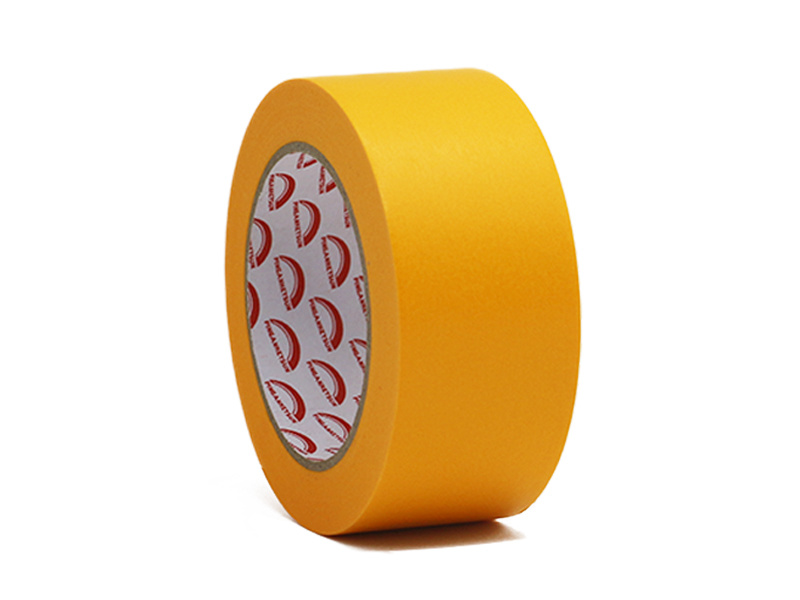
From Simple to Stunning: Transform Your Space with Golden Washi Tape
From Simple to Stunning: Transform Your Space with Golden Washi Tape Table of Contents 1. Introduction to Golden Washi Tape 2. Benefits of Using Golden Washi Tape in Home Decor 2.1 Cost-Effective Decorating Solution 2.2 Versatility and Ease of Use 2.3 Eco-Friendly Choice 3. Creative Ways to Use Golden Washi Tape 3.1 Accent Walls and Borders 3.2 DIY Art Projects 3.3 Gift Wrappin

Unleashing the Power of High Adhesive Washi Tape: A Versatile Tool for Creative Packaging
High Adhesive Washi Tape is a highly versatile product that has been gaining popularity due to its unique properties, making it an essential tool for professionals in the light industrial goods sector, particularly in the realm of labeling, tapes, and adhesive products. Unlike traditional tapes, Washi Tape is crafted from natural fibers, giving it a distinct texture and appearance that can enhance
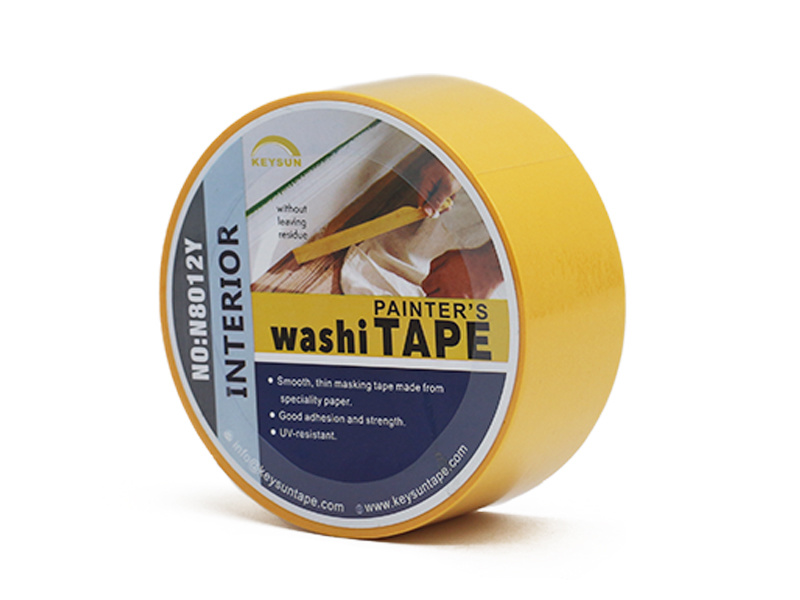
Mastering DIY: Expert Tips for Using Delicate Masking Tape to Achieve Perfect Edges
Mastering DIY: Expert Tips for Using Delicate Masking Tape to Achieve Perfect Edges Table of Contents Understanding Delicate Masking Tape Benefits of Using Delicate Masking Tape Choosing the Right Masking Tape for Your Project Essential DIY Techniques Using Masking Tape Prepping Your Surface for Masking Tape Application Steps for Achieving Perfect Edges with Masking Tape Common Mist
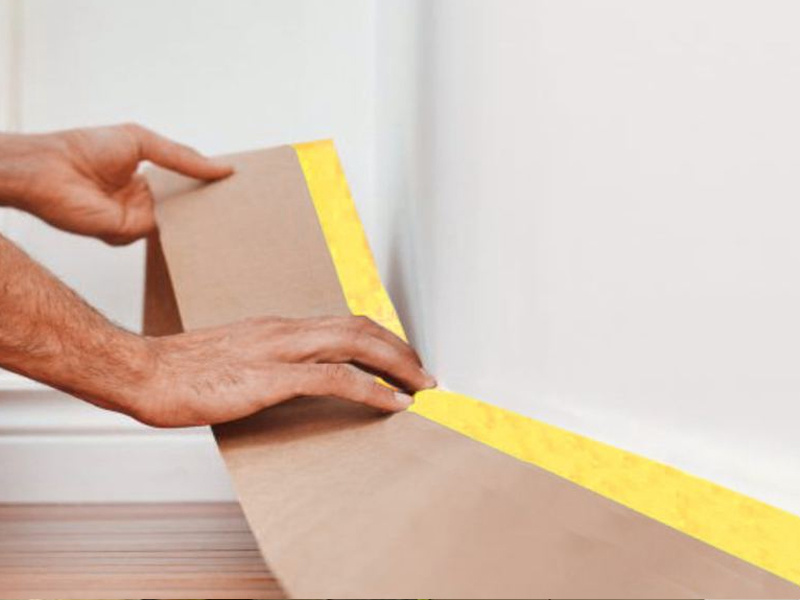
Unlocking the Versatility of EVO Colored Masking Tape: A Comprehensive Guide
EVO Colored Masking Tape is a remarkable adhesive product widely used in various industries, particularly in packaging, labeling, and creative applications. This versatile tape is designed to meet the needs of professionals who require reliable and efficient solutions for their projects. With its unique color options and features, EVO Colored Masking Tape stands out as an invaluable tool for both
// GET A QUOTE
Leave us a message !
At Keysun, we value partnerships and look forward to the opportunity to work with you. Explore our website to learn more about our products and services, and discover how we can meet your needs with our exceptional quality and expertise.
USA Office:
Address: 14380 Telephone Ave, Chino, CA 91710
China Office:
WeChat ID:
1159223657
Address: No.38,changzhong road, zhongluotan town,baiyun dist.,guangzhou, guangdong,China


COPYRIGHT©2024 Guangzhou Baiyun District KEYSUN Decorative Materials Factory Co., Ltd ALL RIGHTS RESERVED