
STICK WITH
THE BEST

Top Factors to Consider When Choosing General Washi Tape Factories
Release Time:
2025-01-11
Source:
Top Factors to Consider When Choosing General Washi Tape Factories
Washi tape has become a popular choice for various applications, from crafting to packaging. As the demand increases, so does the number of factories producing this versatile product. Selecting the right washi tape factory is crucial for ensuring product quality, consistency, and overall satisfaction. In this guide, we will explore the **top factors to consider when choosing general washi tape factories**.
Understanding Washi Tape and Its Applications
Washi tape is a decorative adhesive tape made from traditional Japanese paper. Known for its vibrant colors, patterns, and easy repositionability, washi tape is widely used in various sectors, including:
- **Crafting**: Scrapbooking, card-making, and journaling.
- **Decorating**: Home decor, event decoration, and gift wrapping.
- **Packaging**: Sealing boxes, labeling, and branding.
Understanding the different applications of washi tape can help you make informed choices when evaluating factories.
1. Quality of Materials Used
One of the most critical factors to consider is the quality of materials used in manufacturing washi tape. Factors to assess include:
Paper Quality
The type of paper used can significantly impact the tape's performance and appearance. Look for factories that utilize high-quality, durable paper that enhances the tape's adhesive properties.
Adhesive Strength
The adhesive should be strong enough to hold the tape securely but also allow for easy repositioning without residue. Factories that prioritize advanced adhesive technology tend to produce superior washi tape.
Eco-Friendliness
With growing environmental concerns, selecting factories that use eco-friendly materials can be a significant advantage. Look for certifications that demonstrate a commitment to sustainable practices.
2. Production Capabilities and Technology
The production capabilities and technology utilized by a factory can affect lead times, customization options, and overall efficiency.
Manufacturing Processes
Investigate the manufacturing processes employed by the factory. Automated processes can enhance production speed, while manual techniques might provide unique and artistic variations in design.
Customization Options
If you're looking to create unique designs, ensure that the factory offers customization options. This includes the ability to adjust sizes, colors, and patterns according to your specifications.
3. Industry Experience and Reputation
A factory's experience in the industry can provide insight into its reliability and product quality.
Years in Operation
Research how long the factory has been in operation. Longer-standing factories often have refined processes and experience handling various customer requirements.
Client Testimonials
Look for reviews or testimonials from previous clients. Positive feedback can be a strong indicator of a factory’s reputation and quality of service.
4. Pricing Structure
Understanding the pricing structure of a washi tape factory is essential for maintaining your budget and profit margins.
Cost per Unit
Evaluate the cost per unit and compare it with other factories. Ensure that lower prices do not compromise quality.
Minimum Order Quantities (MOQs)
Different factories have different MOQs. Make sure the minimum requirements align with your purchasing needs to avoid excess inventory.
Payment Terms
Inquire about payment terms and conditions, including deposits and payment methods accepted. Flexible payment options can ease financial pressure.
5. Shipping and Delivery Options
Efficient shipping and delivery are vital for maintaining your supply chain.
Shipping Providers
Assess the shipping providers used by the factory. Reliable partners can reduce the risk of delays and guarantee timely delivery.
Delivery Times
Understand the typical delivery times offered by the factory. This is crucial for ensuring that you meet your project's timelines.
6. Communication and Customer Service
Effective communication can prevent misunderstandings and ensure smooth collaboration.
Language Proficiency
Ensure that the factory staff can communicate effectively in your preferred language. This will aid in clarifying specifications and resolving issues promptly.
Responsiveness
Assess how quickly the factory responds to inquiries. A factory that prioritizes customer service is more likely to be reliable in meeting your needs.
7. Compliance and Certifications
Factories should adhere to industry standards and regulations, ensuring that their products are safe and compliant.
Quality Certifications
Look for certifications like ISO or other quality assurance standards that demonstrate the factory’s commitment to quality management.
Safety Standards
Ensure that the factory complies with safety regulations concerning materials and manufacturing processes, especially if the washi tape will be used in products for children.
8. Sample Requests and Testing
Before making a large order, requesting samples can be a wise choice.
Requesting Samples
Most reputable factories will provide samples upon request. Evaluate these samples for quality, design, and adhesive strength.
Testing Durability
Test the durability of the samples under various conditions to ensure they meet your expectations.
Conclusion
Choosing the right general washi tape factory is a crucial decision that can impact product quality, pricing, and overall satisfaction. By considering factors such as material quality, production capabilities, pricing structure, and customer service, you can make a well-informed choice that meets your business needs. Take the time to thoroughly research potential factories, request samples, and assess their reputation in the industry. With careful consideration, you can find a reliable partner that enhances your product offerings.
FAQs
1. What is washi tape made from?
Washi tape is made from traditional Japanese paper, often derived from the fibers of the gampi tree, rice, or mulberry.
2. How can I ensure the quality of washi tape from a factory?
Request samples, check for quality certifications, and read client testimonials to assess the factory's product quality.
3. What are the typical uses for washi tape?
Washi tape is commonly used for crafting, decorating, and packaging due to its versatility and ease of use.
4. How long does it typically take to receive an order of washi tape?
Delivery times vary by factory and shipping method but generally range from a few days to several weeks.
5. Can I customize the design of washi tape?
Many factories offer customization options for washi tape, including size, color, and pattern adjustments. Always inquire about these possibilities before placing an order.
Related Information
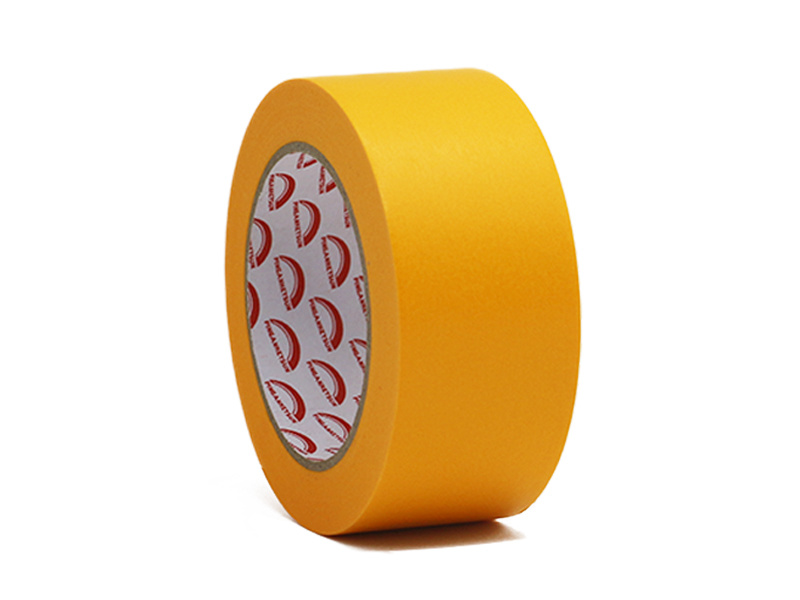
From Simple to Stunning: Transform Your Space with Golden Washi Tape
From Simple to Stunning: Transform Your Space with Golden Washi Tape Table of Contents 1. Introduction to Golden Washi Tape 2. Benefits of Using Golden Washi Tape in Home Decor 2.1 Cost-Effective Decorating Solution 2.2 Versatility and Ease of Use 2.3 Eco-Friendly Choice 3. Creative Ways to Use Golden Washi Tape 3.1 Accent Walls and Borders 3.2 DIY Art Projects 3.3 Gift Wrappin

Unleashing the Power of High Adhesive Washi Tape: A Versatile Tool for Creative Packaging
High Adhesive Washi Tape is a highly versatile product that has been gaining popularity due to its unique properties, making it an essential tool for professionals in the light industrial goods sector, particularly in the realm of labeling, tapes, and adhesive products. Unlike traditional tapes, Washi Tape is crafted from natural fibers, giving it a distinct texture and appearance that can enhance
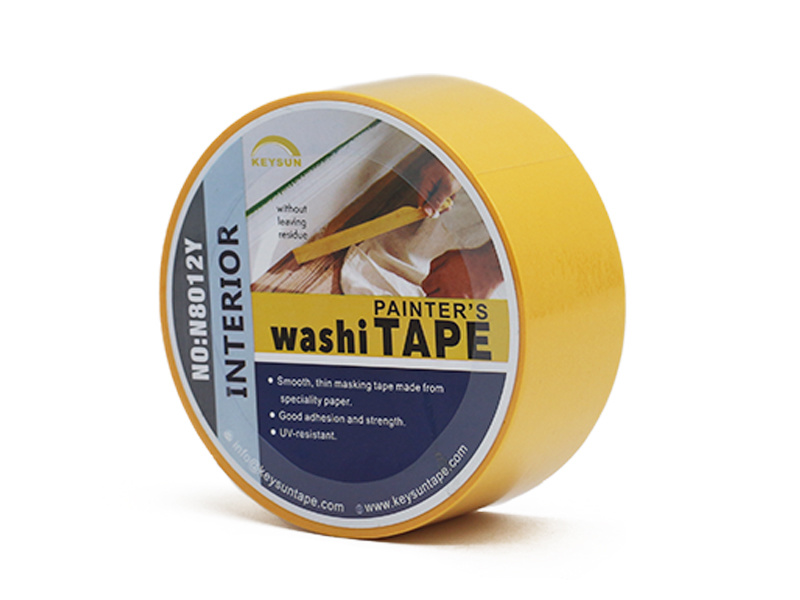
Mastering DIY: Expert Tips for Using Delicate Masking Tape to Achieve Perfect Edges
Mastering DIY: Expert Tips for Using Delicate Masking Tape to Achieve Perfect Edges Table of Contents Understanding Delicate Masking Tape Benefits of Using Delicate Masking Tape Choosing the Right Masking Tape for Your Project Essential DIY Techniques Using Masking Tape Prepping Your Surface for Masking Tape Application Steps for Achieving Perfect Edges with Masking Tape Common Mist
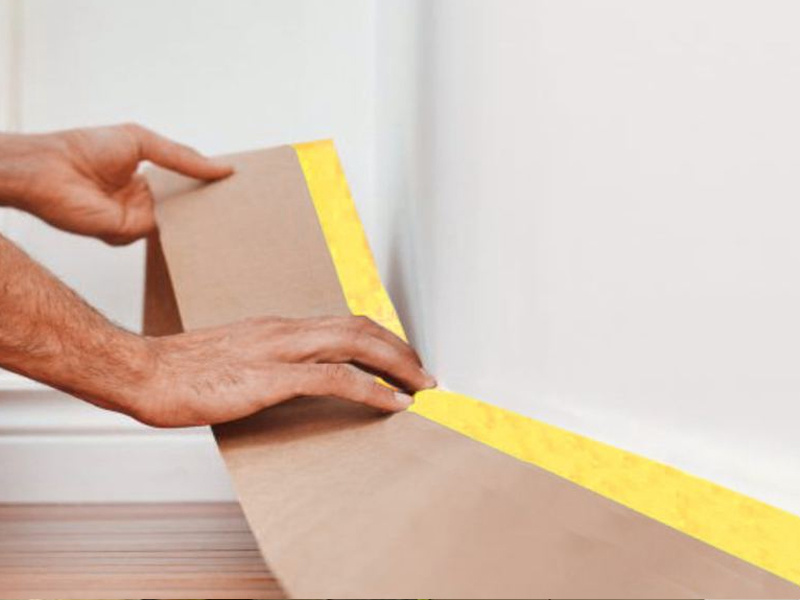
Unlocking the Versatility of EVO Colored Masking Tape: A Comprehensive Guide
EVO Colored Masking Tape is a remarkable adhesive product widely used in various industries, particularly in packaging, labeling, and creative applications. This versatile tape is designed to meet the needs of professionals who require reliable and efficient solutions for their projects. With its unique color options and features, EVO Colored Masking Tape stands out as an invaluable tool for both
// GET A QUOTE
Leave us a message !
At Keysun, we value partnerships and look forward to the opportunity to work with you. Explore our website to learn more about our products and services, and discover how we can meet your needs with our exceptional quality and expertise.
USA Office:
Address: 14380 Telephone Ave, Chino, CA 91710
China Office:
WeChat ID:
1159223657
Address: No.38,changzhong road, zhongluotan town,baiyun dist.,guangzhou, guangdong,China


COPYRIGHT©2024 Guangzhou Baiyun District KEYSUN Decorative Materials Factory Co., Ltd ALL RIGHTS RESERVED