
STICK WITH
THE BEST

Top Tips for Choosing Sensitive Washi Tape Suppliers in the Industry
Release Time:
2025-02-10
Source:
Top Tips for Choosing Sensitive Washi Tape Suppliers in the Industry
In an industry where quality, reliability, and innovation are paramount, selecting the right sensitive Washi tape suppliers can significantly affect your business operations and product offerings. As the demand for packaging solutions increases, so does the need for suppliers who can provide high-quality Washi tape that meets various needs. This guide offers comprehensive insights and practical tips to help you choose the best suppliers in the sensitive Washi tape market.
The Importance of Selecting the Right Washi Tape Supplier
Choosing the correct supplier for sensitive Washi tape is crucial for several reasons:
- Quality Assurance: A reputable supplier ensures that the Washi tape produced meets industry standards, providing durability and reliability.
- Cost-Effectiveness: By partnering with the right supplier, businesses can reduce costs through bulk pricing and high-quality products that minimize waste.
- Innovation: Suppliers who invest in research and development can offer innovative products that set you apart from competitors.
- Supply Chain Stability: Reliable suppliers ensure that you have a consistent product supply, preventing disruptions in your production line.
Key Factors to Consider When Choosing Sensitive Washi Tape Suppliers
1. Assess Supplier Reputation
Researching a supplier's reputation is an essential first step. Look for reviews, testimonials, and case studies from previous clients. Reliable suppliers often have a strong online presence, showcasing their work and customer satisfaction. You can also consider reaching out to industry peers for recommendations.
2. Evaluate Product Quality
Product quality should be a top priority when choosing a sensitive Washi tape supplier. Request samples to assess the tape's adhesion, durability, and overall performance. High-quality Washi tape should resist tearing, fading, and peeling, ensuring it performs well in various applications.
3. Consider Production Capabilities
Understanding a supplier's production capabilities is vital. Are they equipped to handle bulk orders? Can they customize products to meet your specific requirements? A supplier with flexible production capabilities can adapt to your changing needs, ensuring that you receive the right products at the right time.
4. Check Compliance with Industry Standards
Ensure that the suppliers you consider comply with relevant industry standards and regulations. This includes compliance with environmental regulations, safety standards, and certifications such as ISO. Suppliers who adhere to these standards demonstrate their commitment to quality and customer satisfaction.
5. Analyze Customer Service and Support
Excellent customer service is a hallmark of a dependable supplier. Test their responsiveness by reaching out with inquiries. A supplier who provides prompt, informative responses is likely to be supportive throughout your partnership. This can be especially important when facing urgent supply needs or addressing product issues.
6. Review Pricing and Payment Terms
While quality is paramount, pricing also plays a significant role in supplier selection. Compare pricing structures among different suppliers, paying attention to what is included in the cost. Additionally, review their payment terms to ensure they align with your budget and cash flow needs. Look for suppliers who offer flexible payment options without compromising product quality.
7. Investigate Delivery and Logistics
Timely delivery is essential for maintaining uninterrupted operations. Discuss the supplier’s logistics capabilities, including shipping options, lead times, and their process for handling delays. A supplier with efficient logistics can help mitigate risks associated with supply chain disruptions.
8. Seek Long-Term Partnerships
When selecting a sensitive Washi tape supplier, consider the potential for a long-term partnership. Establishing a solid relationship can lead to better pricing, priority service, and collaboration on new product developments. Look for suppliers who are willing to invest in your business success and demonstrate a commitment to building a mutually beneficial relationship.
Questions to Ask Potential Suppliers
1. What types of Washi tape do you specialize in?
Understanding the supplier’s product range can help determine if they can meet your specific needs, including custom designs or specialty tapes.
2. Can you provide references or case studies from similar industries?
References from businesses similar to yours can provide insight into the supplier's capabilities and reliability.
3. What is your lead time for orders?
Knowing the lead time helps you plan your operations and manage inventory levels effectively.
4. Can you accommodate custom orders?
Custom orders can provide a competitive advantage, so it's essential to know if the supplier can meet your unique requirements.
5. What is your return policy for defective products?
A clear return policy ensures you have recourse if the products do not meet your expectations or industry standards.
Building a Relationship with Your Supplier
Once you have chosen a sensitive Washi tape supplier, it’s essential to foster a positive working relationship. This entails clear communication, timely payments, and mutual respect. Regularly share feedback regarding product performance and service quality to help your supplier improve. In return, anticipate their expertise in advising on product innovations and market trends.
Challenges in the Sensitive Washi Tape Market
The sensitive Washi tape market presents unique challenges, including:
- Market Saturation: With numerous suppliers, differentiating between quality providers can be difficult.
- Price Fluctuations: The cost of raw materials may vary, affecting pricing and supplier stability.
- Supply Chain Disruptions: Global events can impact the availability of materials and shipping logistics.
Being aware of these challenges can prepare you to make informed decisions when selecting suppliers and negotiating contracts.
Conclusion
Choosing the right sensitive Washi tape supplier is pivotal for your business’s success in the packaging industry. By considering factors such as supplier reputation, product quality, compliance with standards, and customer service, you can make an informed decision that aligns with your business needs. Cultivating a strong relationship with your supplier can lead to long-term benefits, including improved pricing and product innovations. With these tips, we hope you feel equipped to navigate the sensitive Washi tape market and secure a supplier that elevates your business offerings.
FAQs
1. What is sensitive Washi tape used for?
Sensitive Washi tape is often used in packaging, arts and crafts, and labeling due to its easy application and removal without leaving residue.
2. How do I know if a supplier’s Washi tape is of high quality?
Request samples to test adhesion, durability, and overall performance, and read reviews from previous customers.
3. Can I get custom designs on Washi tape?
Many suppliers offer customization options to create unique designs that meet your branding needs.
4. What should I do if I receive defective Washi tape?
Refer to the supplier’s return policy and reach out to them for resolution regarding defective products.
5. How can I ensure timely delivery of my orders?
Discuss lead times and logistics capabilities with the supplier upfront to set clear expectations for delivery schedules.
Related Information
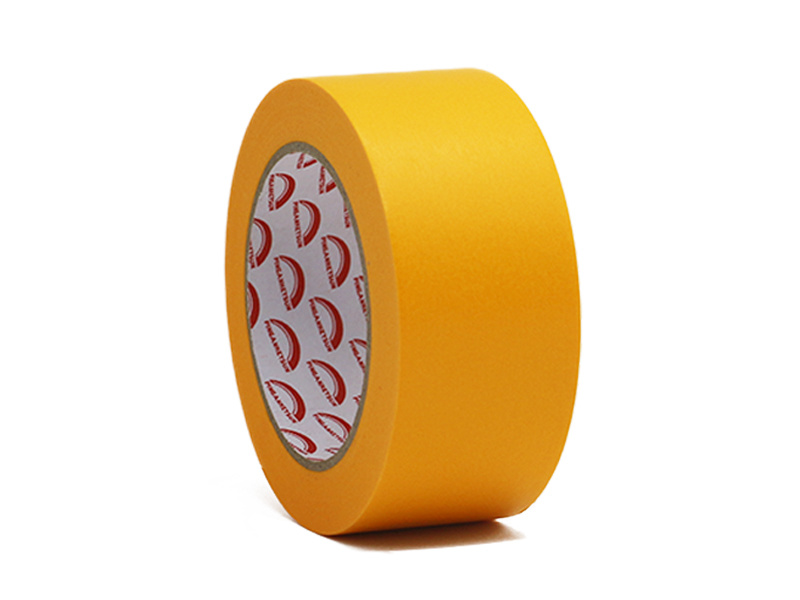
From Simple to Stunning: Transform Your Space with Golden Washi Tape
From Simple to Stunning: Transform Your Space with Golden Washi Tape Table of Contents 1. Introduction to Golden Washi Tape 2. Benefits of Using Golden Washi Tape in Home Decor 2.1 Cost-Effective Decorating Solution 2.2 Versatility and Ease of Use 2.3 Eco-Friendly Choice 3. Creative Ways to Use Golden Washi Tape 3.1 Accent Walls and Borders 3.2 DIY Art Projects 3.3 Gift Wrappin

Unleashing the Power of High Adhesive Washi Tape: A Versatile Tool for Creative Packaging
High Adhesive Washi Tape is a highly versatile product that has been gaining popularity due to its unique properties, making it an essential tool for professionals in the light industrial goods sector, particularly in the realm of labeling, tapes, and adhesive products. Unlike traditional tapes, Washi Tape is crafted from natural fibers, giving it a distinct texture and appearance that can enhance
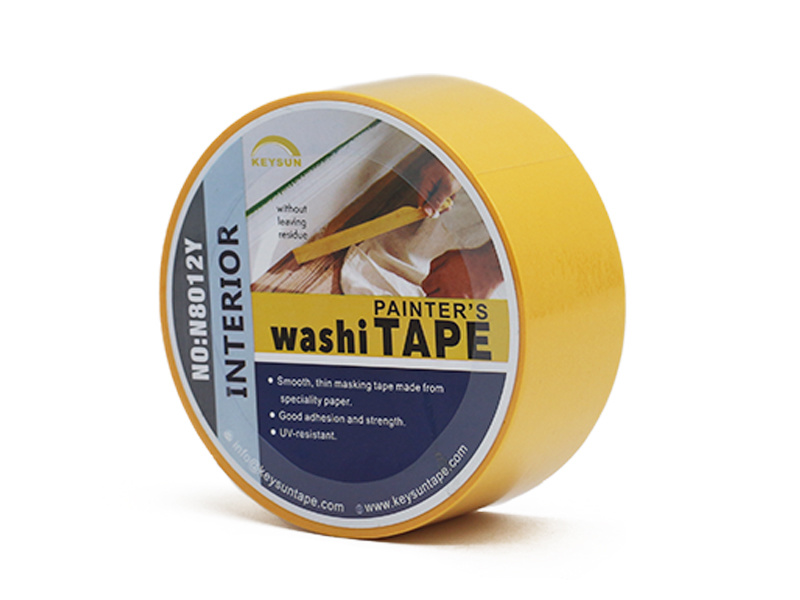
Mastering DIY: Expert Tips for Using Delicate Masking Tape to Achieve Perfect Edges
Mastering DIY: Expert Tips for Using Delicate Masking Tape to Achieve Perfect Edges Table of Contents Understanding Delicate Masking Tape Benefits of Using Delicate Masking Tape Choosing the Right Masking Tape for Your Project Essential DIY Techniques Using Masking Tape Prepping Your Surface for Masking Tape Application Steps for Achieving Perfect Edges with Masking Tape Common Mist

Unlocking the Versatility of EVO Colored Masking Tape: A Comprehensive Guide
EVO Colored Masking Tape is a remarkable adhesive product widely used in various industries, particularly in packaging, labeling, and creative applications. This versatile tape is designed to meet the needs of professionals who require reliable and efficient solutions for their projects. With its unique color options and features, EVO Colored Masking Tape stands out as an invaluable tool for both
// GET A QUOTE
Leave us a message !
At Keysun, we value partnerships and look forward to the opportunity to work with you. Explore our website to learn more about our products and services, and discover how we can meet your needs with our exceptional quality and expertise.
USA Office:
Address: 14380 Telephone Ave, Chino, CA 91710
China Office:
WeChat ID:
1159223657
Address: No.38,changzhong road, zhongluotan town,baiyun dist.,guangzhou, guangdong,China


COPYRIGHT©2024 Guangzhou Baiyun District KEYSUN Decorative Materials Factory Co., Ltd ALL RIGHTS RESERVED