
STICK WITH
THE BEST

Sensitive Washi Tape vs. Regular Tape: An In-Depth Comparison for Your Packaging Needs
Release Time:
2025-05-23
Source:
Sensitive Washi Tape vs. Regular Tape: What You Need to Know
Table of Contents
- Introduction to Tapes: A Brief Overview
- What is Sensitive Washi Tape?
- What is Regular Tape?
- Key Differences Between Sensitive Washi Tape and Regular Tape
- Applications of Sensitive Washi Tape
- Applications of Regular Tape
- Advantages and Disadvantages of Each Type
- Choosing the Right Tape for Your Needs
- Frequently Asked Questions
- Conclusion
Introduction to Tapes: A Brief Overview
In the world of crafting, packaging, and general adhesive needs, tape plays a crucial role. With numerous varieties available, choosing the right tape can significantly impact your project's success. Two popular options are **sensitive washi tape** and **regular tape**. This article delves into their characteristics, uses, and how they can benefit your specific requirements.
What is Sensitive Washi Tape?
Sensitive washi tape is a decorative adhesive tape made from **washi paper**, a traditional Japanese paper known for its durability and versatility. Unlike typical tapes, washi tape often features intricate patterns, colors, and textures, making it a favorite among crafters and artists. The adhesive used in sensitive washi tape is designed to be gentle, allowing it to be removed or repositioned without damaging the surface it is applied to.
Characteristics of Sensitive Washi Tape
1. **Gentle Adhesive**: Sensitive washi tape is designed to adhere lightly, making it easy to peel off without leaving residue or causing damage.
2. **Variety of Designs**: Available in numerous patterns and colors, sensitive washi tape caters to various aesthetic preferences.
3. **Easy to Tear**: This tape can be torn by hand, adding to its convenience during creative projects.
What is Regular Tape?
Regular tape, often referred to as adhesive tape, encompasses a broad range of products made from various materials, including plastic and paper. Common types of regular tape include **masking tape**, **scotch tape**, and **packing tape**. Regular tape is typically designed for robust adhesion, making it suitable for a range of applications from sealing packages to hanging items.
Characteristics of Regular Tape
1. **Strong Adhesive**: Regular tape usually features a more aggressive adhesive that provides a strong bond for lasting hold.
2. **Durability**: Many regular tapes are designed to withstand various environmental conditions, making them ideal for heavy-duty applications.
3. **Versatility**: Regular tape can be used in multiple scenarios, including home repairs, crafting, and shipping.
Key Differences Between Sensitive Washi Tape and Regular Tape
Understanding the differences between sensitive washi tape and regular tape is essential for choosing the right product for your needs. Below, we explore some key distinctions:
Adhesive Strength
Sensitive washi tape utilizes a mild adhesive that allows for easy repositioning, while regular tape employs a stronger adhesive designed for permanent bonding. This factor plays a significant role in their respective applications.
Material Composition
Sensitive washi tape is crafted from washi paper, giving it a unique texture that adds visual interest. Regular tape, on the other hand, is often made from plastic or paper, providing a different tactile experience.
Design Aesthetics
Sensitive washi tape stands out for its decorative qualities, often featuring vibrant colors and intricate designs suitable for crafting. Regular tape typically comes in clear or standard colors, focusing more on functionality than aesthetics.
Removal and Residue
When it comes to removal, sensitive washi tape is designed to come off easily without leaving residue or damaging surfaces. Regular tape, particularly those with stronger adhesives, may leave sticky residue or even damage surfaces upon removal.
Applications of Sensitive Washi Tape
Sensitive washi tape is widely used in various creative applications, including:
Crafting and Scrapbooking
Artists and crafters utilize sensitive washi tape for embellishing scrapbooks, creating unique card designs, and decorating notebooks. Its low-tack adhesive allows for repositioning elements without damaging the underlying paper.
Gift Wrapping
Sensitive washi tape adds a personalized touch to gift wrapping. Its decorative designs can enhance the overall presentation, making gifts more visually appealing.
Home Decor
Sensitive washi tape can be used to create temporary wall art or decorate household items, providing an easy way to personalize living spaces without permanent changes.
Applications of Regular Tape
Regular tape has a broad range of uses across various sectors:
Shipping and Packaging
Regular packaging tape is ideal for reinforcing boxes and securing items during shipping. Its strong adhesive ensures that packages remain sealed, preventing damage during transit.
Office and School Supplies
In office settings, regular tape is commonly used for everyday tasks, such as patching together torn documents, mounting artwork, or securing items to desks.
Construction and Repairs
Heavy-duty regular tape, such as duct tape, is often employed in construction and repair projects due to its strong adhesive properties and durability.
Advantages and Disadvantages of Each Type
Choosing between sensitive washi tape and regular tape involves weighing their respective advantages and disadvantages:
Advantages of Sensitive Washi Tape
- **Easy to Remove**: Gentle adhesion makes it suitable for temporary applications.
- **Decorative Options**: Offers a wide variety of designs for creative projects.
- **No Residue**: Peels off cleanly without damaging surfaces.
Disadvantages of Sensitive Washi Tape
- **Limited Strength**: May not hold up well for heavy-duty applications.
- **Less Suitable for Packaging**: Not ideal for sealing boxes or shipping items.
Advantages of Regular Tape
- **Strong Adhesive**: Provides a secure bond suitable for various surfaces.
- **Durability**: Designed to withstand wear and environmental conditions.
- **Versatile Use**: Can be applied in multiple situations, from crafting to packaging.
Disadvantages of Regular Tape
- **Potential Residue**: Strong adhesive may leave sticky residue upon removal.
- **Limited Aesthetic Appeal**: Generally less decorative than sensitive washi tape.
Choosing the Right Tape for Your Needs
When selecting between sensitive washi tape and regular tape, consider the following factors:
Project Requirements
Evaluate the specific needs of your project. If aesthetics and repositioning are critical, sensitive washi tape is likely the better choice. For more robust applications requiring strong adhesion, regular tape is preferable.
Surface Type
Consider the type of surface you will be applying the tape to. Sensitive washi tape is ideal for papers and delicate finishes, while regular tape excels on more durable surfaces.
Duration of Use
If your application is temporary, sensitive washi tape is ideal. However, for long-term use, regular tape offers reliability and strength.
Frequently Asked Questions
1. Can sensitive washi tape be used on all surfaces?
Sensitive washi tape works best on clean and dry surfaces. It's suitable for paper, wood, and some painted surfaces, but it may not adhere well to textured or oily surfaces.
2. Is regular tape weather-resistant?
Some regular tapes, like packing or duct tape, are designed to withstand outdoor conditions. However, not all regular tapes offer weather resistance, so always check the product specifications.
3. Can I write on sensitive washi tape?
Yes, sensitive washi tape is often designed to accept ink, making it suitable for labeling or personalization in crafts.
4. How do I remove regular tape without damaging the surface?
To minimize damage, gently heat the tape with a hairdryer to soften the adhesive before attempting to peel it off slowly.
5. What are the best practices for using sensitive washi tape in crafts?
Always adhere sensitive washi tape to clean surfaces, and if layering, press firmly to avoid air bubbles. Experiment with different patterns and placements to enhance your creative projects.
Conclusion
Understanding the differences between sensitive washi tape and regular tape empowers you to make informed decisions based on your specific needs. Sensitive washi tape offers a unique blend of creativity and functionality, perfect for delicate applications, while regular tape provides the strength and versatility needed for heavy-duty tasks. By weighing the pros and cons of each type, you can choose the adhesive that best suits your project, ensuring a successful and satisfying experience.
Related Information
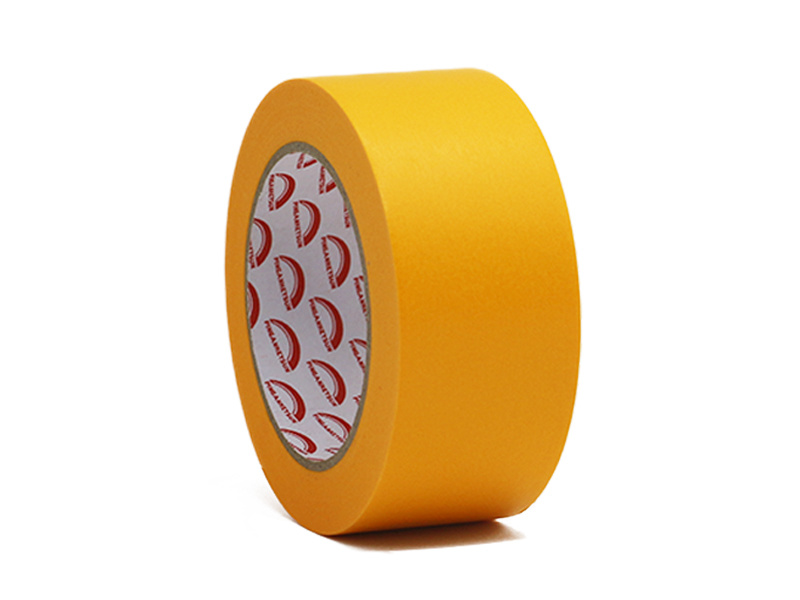
From Simple to Stunning: Transform Your Space with Golden Washi Tape
From Simple to Stunning: Transform Your Space with Golden Washi Tape Table of Contents 1. Introduction to Golden Washi Tape 2. Benefits of Using Golden Washi Tape in Home Decor 2.1 Cost-Effective Decorating Solution 2.2 Versatility and Ease of Use 2.3 Eco-Friendly Choice 3. Creative Ways to Use Golden Washi Tape 3.1 Accent Walls and Borders 3.2 DIY Art Projects 3.3 Gift Wrappin

Unleashing the Power of High Adhesive Washi Tape: A Versatile Tool for Creative Packaging
High Adhesive Washi Tape is a highly versatile product that has been gaining popularity due to its unique properties, making it an essential tool for professionals in the light industrial goods sector, particularly in the realm of labeling, tapes, and adhesive products. Unlike traditional tapes, Washi Tape is crafted from natural fibers, giving it a distinct texture and appearance that can enhance
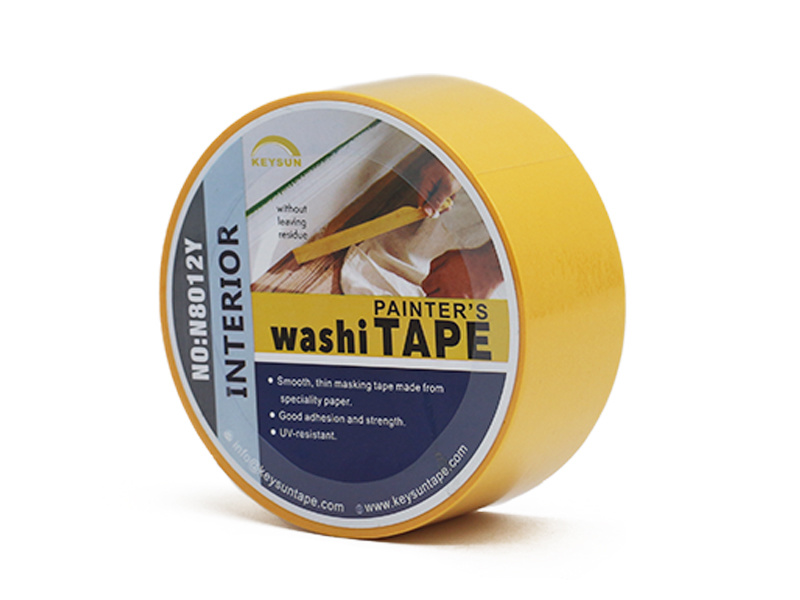
Mastering DIY: Expert Tips for Using Delicate Masking Tape to Achieve Perfect Edges
Mastering DIY: Expert Tips for Using Delicate Masking Tape to Achieve Perfect Edges Table of Contents Understanding Delicate Masking Tape Benefits of Using Delicate Masking Tape Choosing the Right Masking Tape for Your Project Essential DIY Techniques Using Masking Tape Prepping Your Surface for Masking Tape Application Steps for Achieving Perfect Edges with Masking Tape Common Mist
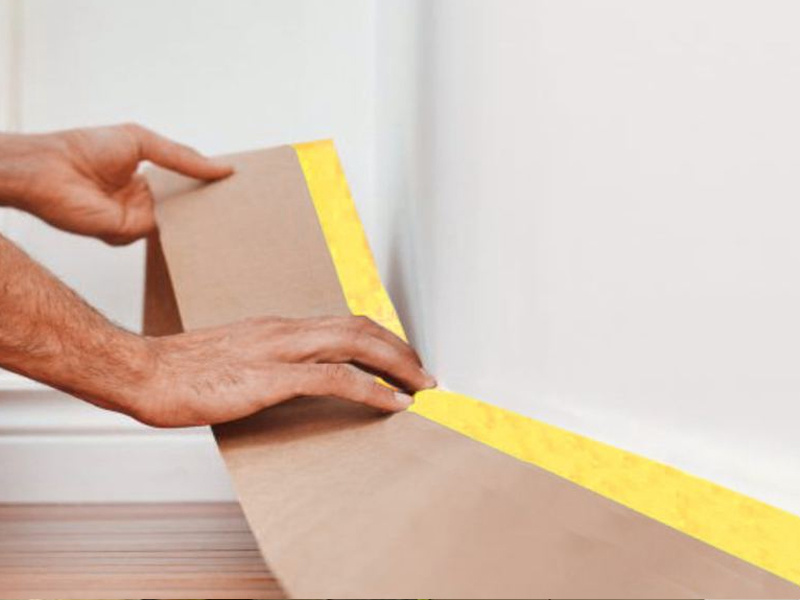
Unlocking the Versatility of EVO Colored Masking Tape: A Comprehensive Guide
EVO Colored Masking Tape is a remarkable adhesive product widely used in various industries, particularly in packaging, labeling, and creative applications. This versatile tape is designed to meet the needs of professionals who require reliable and efficient solutions for their projects. With its unique color options and features, EVO Colored Masking Tape stands out as an invaluable tool for both
// GET A QUOTE
Leave us a message !
At Keysun, we value partnerships and look forward to the opportunity to work with you. Explore our website to learn more about our products and services, and discover how we can meet your needs with our exceptional quality and expertise.
USA Office:
Address: 14380 Telephone Ave, Chino, CA 91710
China Office:
WeChat ID:
1159223657
Address: No.38,changzhong road, zhongluotan town,baiyun dist.,guangzhou, guangdong,China


COPYRIGHT©2024 Guangzhou Baiyun District KEYSUN Decorative Materials Factory Co., Ltd ALL RIGHTS RESERVED