
STICK WITH
THE BEST

The Ultimate Guide to Choosing the Right Masking Tape for Any Project
Release Time:
2025-11-01
Source:
The Ultimate Guide to Choosing the Right Masking Tape for Any Project
Table of Contents
- 1. What is Masking Tape?
- 2. Types of Masking Tape: A Comprehensive Overview
- 3. How to Choose the Right Masking Tape for Your Project
- 4. Application Techniques for Perfect Results
- 5. Common Mistakes to Avoid When Using Masking Tape
- 6. Frequently Asked Questions (FAQ)
- 7. Conclusion
1. What is Masking Tape?
Masking tape is a versatile adhesive tape made from thin and easy-to-tear paper. It is commonly used in painting, crafting, and other projects to create clean lines and protect surfaces from paint or other materials. The adhesive on masking tape is designed to be removable, allowing it to be peeled off without damaging the underlying surface when the project is complete.
2. Types of Masking Tape: A Comprehensive Overview
Understanding the various types of masking tape available can help you select the right one for your specific needs. Here’s a breakdown of the most common types of masking tape:
2.1 Painter's Tape
Painter's tape is specifically designed for painting projects. It features a specially formulated adhesive that ensures clean lines and minimizes paint bleed. Available in various widths, painter’s tape can be used for intricate designs or larger surfaces. Look for painter's tape that is labeled “low tack” for easy removal without tearing the paint underneath.
2.2 General Purpose Tape
General-purpose masking tape is a more versatile option suitable for a variety of uses beyond painting. It provides a decent hold and can be used for light-duty projects like labeling, bundling, and crafting. While it may not offer the same precision as painter’s tape, it’s a cost-effective choice for simple tasks.
2.3 Specialty Tapes
Specialty masking tapes are designed for specific applications, such as high-temperature situations, outdoor use, or delicate surfaces. These tapes often come with specific features, such as UV resistance or heat resistance, making them ideal for unique projects where standard tapes might fail.
3. How to Choose the Right Masking Tape for Your Project
Choosing the appropriate masking tape can significantly affect the outcome of your project. Here are key factors to consider:
3.1 Consider Your Surface
The surface you’re working on is crucial in determining the type of masking tape you should use. For instance, smooth surfaces like glass or metal may require painter’s tape for a strong hold, while textured surfaces may call for general-purpose tape that can conform to the irregularities.
3.2 Think About the Project Type
Different projects have different requirements. For instance, if you’re doing a simple label or craft project, general-purpose masking tape will suffice. However, if your project involves painting intricate lines or patterns, investing in painter’s tape is essential to achieve a professional finish.
3.3 Environmental Considerations
Consider the environment in which your masking tape will be used. For outdoor projects, look for tapes that are UV resistant to prevent adhesive breakdown due to sun exposure. If working in high-temperature conditions, opt for heat-resistant specialty tapes to avoid melting or bubbling.
4. Application Techniques for Perfect Results
Applying masking tape correctly can make a world of difference in your project outcome. Here are key techniques to ensure you achieve the best results:
4.1 Cleaning the Surface
Before applying masking tape, always ensure the surface is clean, dry, and free from dust or grease. This step is crucial in ensuring proper adhesion and preventing any unwanted paint bleed.
4.2 Taping Techniques
When applying the tape, press it down firmly, ensuring there are no air bubbles or wrinkles. Smooth out the tape with a flat tool or your fingers to create a strong bond with the surface. If you’re creating intricate designs, use a craft knife to cut the tape for clean lines.
4.3 Removing the Tape
To avoid damage to your project, remove the masking tape when the surface is still slightly damp or immediately after the paint has dried. Pull the tape back on itself at a 45-degree angle for the best results, ensuring a clean edge.
5. Common Mistakes to Avoid When Using Masking Tape
Even seasoned DIY enthusiasts can make masking tape mistakes. Here are common pitfalls to watch out for:
- Not Cleaning the Surface: Skipping the cleaning step can lead to poor adhesion and paint bleed.
- Using the Wrong Tape: Using general-purpose tape on a delicate surface can cause damage.
- Applying Tape to Wet Paint: This can result in tearing when removing the tape.
- Removing Tape Too Early: This can lead to smudged edges and messy finishes.
6. Frequently Asked Questions (FAQ)
1. Can I use masking tape for outdoor projects?
Yes, but be sure to select a masking tape that is UV resistant and designed for outdoor use.
2. What is the difference between painter's tape and masking tape?
Painter's tape is specifically designed to prevent paint bleed and is easier to remove without damaging surfaces, while general masking tape may not provide the same level of precision.
3. How long can I leave masking tape on a surface?
It’s best to remove the tape shortly after completing your project, ideally while the paint is still slightly wet or has dried completely, to achieve clean lines.
4. Can I use masking tape on textured surfaces?
Yes, but ensure you choose a tape that is flexible enough to conform to the texture without losing adhesion.
5. What should I do if my masking tape leaves residue?
Use a gentle adhesive remover or rubbing alcohol to clean the residue from the surface without damaging it.
7. Conclusion
Choosing the right masking tape can significantly enhance the quality of your projects, whether you are painting a room, crafting, or completing any DIY task. By understanding the different types of masking tape, considering your specific project needs, and applying proper techniques, you can achieve professional-looking results with ease. With this comprehensive guide, you are now equipped to make informed decisions and tackle any project confidently!
Related Information
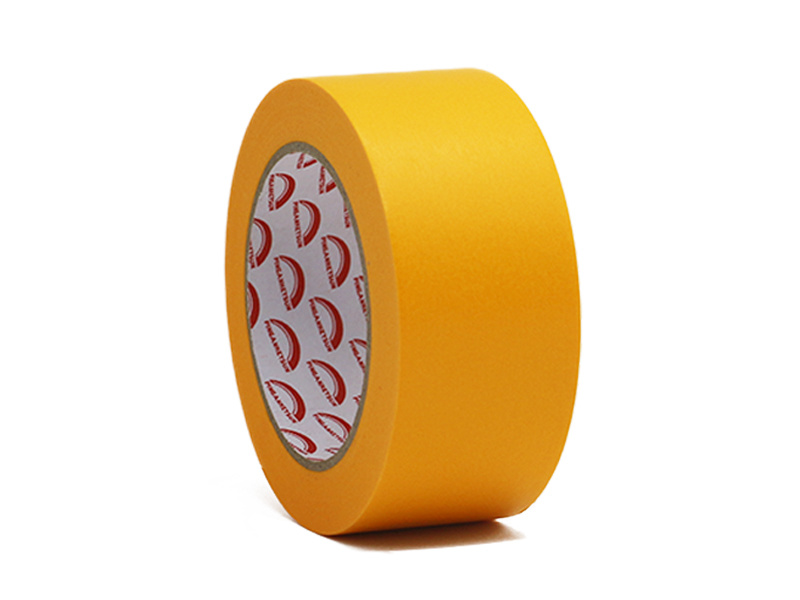
From Simple to Stunning: Transform Your Space with Golden Washi Tape
From Simple to Stunning: Transform Your Space with Golden Washi Tape Table of Contents 1. Introduction to Golden Washi Tape 2. Benefits of Using Golden Washi Tape in Home Decor 2.1 Cost-Effective Decorating Solution 2.2 Versatility and Ease of Use 2.3 Eco-Friendly Choice 3. Creative Ways to Use Golden Washi Tape 3.1 Accent Walls and Borders 3.2 DIY Art Projects 3.3 Gift Wrappin

Unleashing the Power of High Adhesive Washi Tape: A Versatile Tool for Creative Packaging
High Adhesive Washi Tape is a highly versatile product that has been gaining popularity due to its unique properties, making it an essential tool for professionals in the light industrial goods sector, particularly in the realm of labeling, tapes, and adhesive products. Unlike traditional tapes, Washi Tape is crafted from natural fibers, giving it a distinct texture and appearance that can enhance
Mastering DIY: Expert Tips for Using Delicate Masking Tape to Achieve Perfect Edges
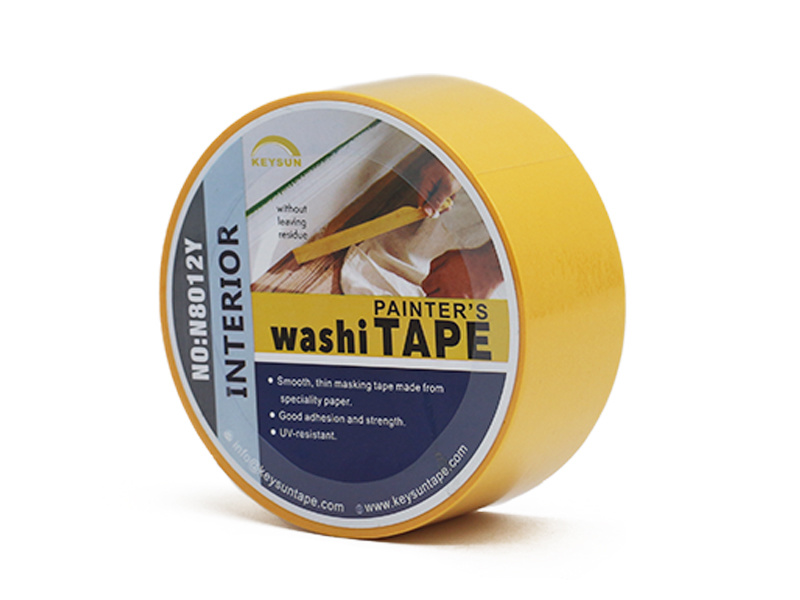
Mastering DIY: Expert Tips for Using Delicate Masking Tape to Achieve Perfect Edges Table of Contents Understanding Delicate Masking Tape Benefits of Using Delicate Masking Tape Choosing the Right Masking Tape for Your Project Essential DIY Techniques Using Masking Tape Prepping Your Surface for Masking Tape Application Steps for Achieving Perfect Edges with Masking Tape Common Mist
Unlocking the Versatility of EVO Colored Masking Tape: A Comprehensive Guide
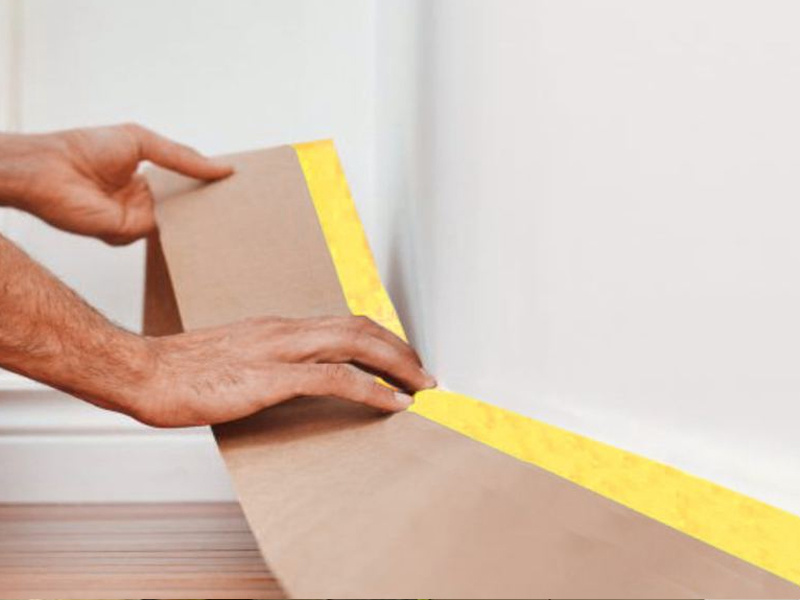
EVO Colored Masking Tape is a remarkable adhesive product widely used in various industries, particularly in packaging, labeling, and creative applications. This versatile tape is designed to meet the needs of professionals who require reliable and efficient solutions for their projects. With its unique color options and features, EVO Colored Masking Tape stands out as an invaluable tool for both
// GET A QUOTE
Leave us a message !
At Keysun, we value partnerships and look forward to the opportunity to work with you. Explore our website to learn more about our products and services, and discover how we can meet your needs with our exceptional quality and expertise.
USA Office:
Address: 14380 Telephone Ave, Chino, CA 91710
China Office:
WeChat ID:
1159223657
Address: No.38,changzhong road, zhongluotan town,baiyun dist.,guangzhou, guangdong,China


COPYRIGHT©2024 Guangzhou Baiyun District KEYSUN Decorative Materials Factory Co., Ltd ALL RIGHTS RESERVED