
STICK WITH
THE BEST

Sensitive Washi Tape: Eco-Friendly Options for Sustainable Crafting
Release Time:
2025-11-21
Source:
Sensitive Washi Tape: Eco-Friendly Options for Sustainable Crafting
Table of Contents
1. Understanding Sensitive Washi Tape
2. The Environmental Impact of Traditional Crafting Supplies
3. Why Choose Eco-Friendly Washi Tape?
4. Types of Sensitive Washi Tape
4.1 Bamboo Washi Tape
4.2 Rice Paper Washi Tape
4.3 Recycled Paper Washi Tape
5. How to Identify Quality Eco-Friendly Washi Tape
6. Innovative Uses for Sensitive Washi Tape
6.1 Gift Wrapping and Decoration
6.2 Scrapbooking and Journaling
6.3 Home Decor Projects
7. Caring for Your Sensitive Washi Tape
8. Frequently Asked Questions
9. Conclusion
1. Understanding Sensitive Washi Tape
Sensitive washi tape is a decorative adhesive tape made from traditional Japanese rice paper. It is known for its delicate texture and beautiful patterns, making it a favorite among crafters and artists. Unlike standard adhesive tapes, washi tape is easy to tear by hand, repositionable, and leaves minimal residue upon removal. This versatility makes it an ideal choice for creative projects ranging from gift wrapping to DIY decor.
2. The Environmental Impact of Traditional Crafting Supplies
The crafting industry has seen a significant rise in the demand for materials that are both functional and aesthetically pleasing. However, many traditional crafting supplies are made from synthetic materials that contribute to environmental degradation. Plastics, for instance, take centuries to decompose and often end up in landfills or oceans, posing a threat to wildlife and ecosystems. Additionally, the production processes for these materials often involve harmful chemicals that can leach into the environment.
3. Why Choose Eco-Friendly Washi Tape?
By selecting eco-friendly washi tape, crafters can significantly reduce their ecological footprint. Eco-friendly options are made from sustainable materials that are biodegradable or recyclable, thus minimizing waste. Furthermore, many companies that produce eco-friendly washi tape employ ethical manufacturing practices, ensuring fair labor conditions and reducing their carbon emissions. Choosing sensitive washi tape not only supports sustainable crafting but also encourages a shift towards more responsible consumption.
4. Types of Sensitive Washi Tape
There are several types of sensitive washi tape, each offering unique benefits and characteristics. Understanding these options can help you make an informed choice for your crafting needs.
4.1 Bamboo Washi Tape
Bamboo washi tape is made from the fibers of the bamboo plant, which is known for its rapid growth and renewability. Bamboo is a highly sustainable resource that requires little water and no pesticides, making it an excellent choice for eco-conscious crafters. In addition, bamboo washi tape often boasts beautiful natural tones and textures, adding an organic feel to your projects.
4.2 Rice Paper Washi Tape
Traditional washi tape is made from rice paper, which is naturally biodegradable. Rice paper is produced without the use of harmful chemicals and is often created using sustainable practices. This type of washi tape is light, durable, and easy to work with, making it perfect for a variety of crafting applications.
4.3 Recycled Paper Washi Tape
Recycled paper washi tape is made from post-consumer waste, such as old newspapers or cardboard. By repurposing these materials, manufacturers reduce the demand for virgin resources and minimize the environmental impact of production. Recycled paper washi tape often features unique designs, as the patterns can vary based on the source material, adding a creative flair to your crafts.
5. How to Identify Quality Eco-Friendly Washi Tape
When selecting eco-friendly washi tape, consider the following factors to ensure you are choosing a high-quality product:
- **Material Composition**: Look for tapes made from biodegradable or recyclable materials, such as bamboo, rice paper, or recycled paper.
- **Manufacturing Practices**: Research the company's production methods to ensure they prioritize sustainability and ethical labor practices.
- **Adhesive Quality**: A good washi tape should have an adhesive that is strong enough to hold but gentle enough to remove without leaving residue.
- **User Reviews**: Check customer feedback and product reviews to gauge performance and durability.
6. Innovative Uses for Sensitive Washi Tape
Sensitive washi tape can be used in countless ways, limited only by your imagination. Here are some creative applications:
6.1 Gift Wrapping and Decoration
Washi tape can transform ordinary gift wrapping into something extraordinary. Use it to create unique patterns, embellish gift tags, or seal wrapping paper for a polished finish. Its repositionable nature allows for adjustments without tearing the paper.
6.2 Scrapbooking and Journaling
Incorporate washi tape into your scrapbook or journal to add color and texture. Use it to border photos, highlight important dates, or create decorative dividers. Its variety of designs can enhance your storytelling and visual appeal.
6.3 Home Decor Projects
Washi tape is perfect for DIY home decor. Use it to create accent walls, customize furniture, or design unique art pieces. Its easy application and removal make it an excellent choice for renters or anyone looking to refresh their space without a long-term commitment.
7. Caring for Your Sensitive Washi Tape
To maximize the lifespan of your sensitive washi tape, follow these care tips:
- **Storage**: Keep washi tape in a cool, dry place away from direct sunlight to prevent fading and peeling.
- **Handling**: Avoid excessive pulling or stretching, which can damage the adhesive and paper.
- **Application**: Ensure that surfaces are clean and dry before applying washi tape for optimal adhesion.
8. Frequently Asked Questions
**Q1: Is washi tape waterproof?**
A: Most washi tape is not waterproof, so it is best used for indoor applications or projects that will not be exposed to moisture.
**Q2: Can I use washi tape on walls?**
A: Yes, washi tape is safe for most wall surfaces and can be easily removed without damaging the paint.
**Q3: Is washi tape recyclable?**
A: While traditional washi tape may not be recyclable due to its adhesive, eco-friendly options made from recyclable materials can often be processed accordingly.
**Q4: How do I remove washi tape without damaging surfaces?**
A: Slowly peel washi tape off at a 45-degree angle. If it sticks, use a heat source like a hairdryer to soften the adhesive before removal.
**Q5: Where can I find eco-friendly washi tape?**
A: Many craft stores, online retailers, and specialty eco-friendly shops offer a variety of sustainable washi tape options. Be sure to check the product descriptions for material information.
9. Conclusion
Sensitive washi tape represents a fusion of creativity and sustainability, offering crafters an eco-friendly alternative to traditional adhesive options. By choosing materials that are biodegradable, recyclable, or made from sustainable resources like bamboo and rice paper, we can elevate our crafting while minimizing our environmental impact. Whether you're wrapping gifts, scrapbooking, or embarking on home decor projects, sensitive washi tape proves to be a versatile and responsible choice. Embrace the beauty of eco-friendly crafting and inspire others to join the movement towards sustainable creativity.
Related Information
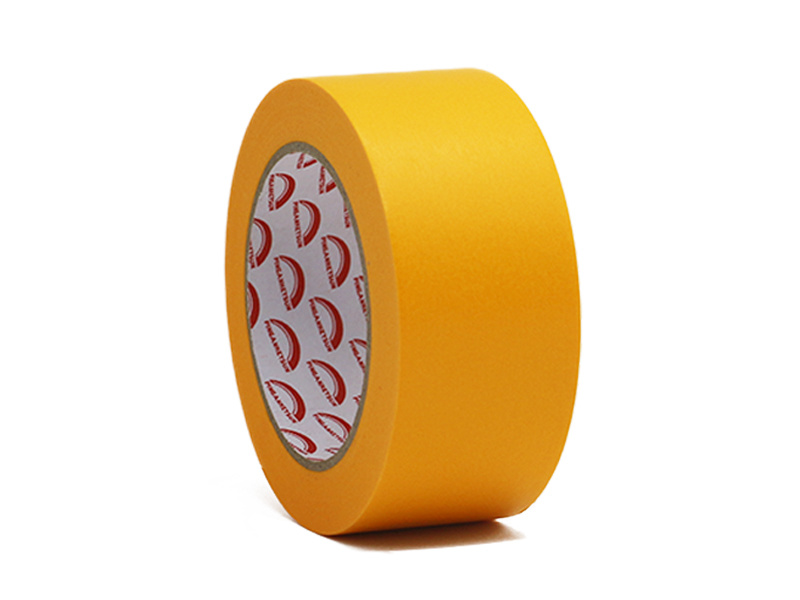
From Simple to Stunning: Transform Your Space with Golden Washi Tape
From Simple to Stunning: Transform Your Space with Golden Washi Tape Table of Contents 1. Introduction to Golden Washi Tape 2. Benefits of Using Golden Washi Tape in Home Decor 2.1 Cost-Effective Decorating Solution 2.2 Versatility and Ease of Use 2.3 Eco-Friendly Choice 3. Creative Ways to Use Golden Washi Tape 3.1 Accent Walls and Borders 3.2 DIY Art Projects 3.3 Gift Wrappin

Unleashing the Power of High Adhesive Washi Tape: A Versatile Tool for Creative Packaging
High Adhesive Washi Tape is a highly versatile product that has been gaining popularity due to its unique properties, making it an essential tool for professionals in the light industrial goods sector, particularly in the realm of labeling, tapes, and adhesive products. Unlike traditional tapes, Washi Tape is crafted from natural fibers, giving it a distinct texture and appearance that can enhance
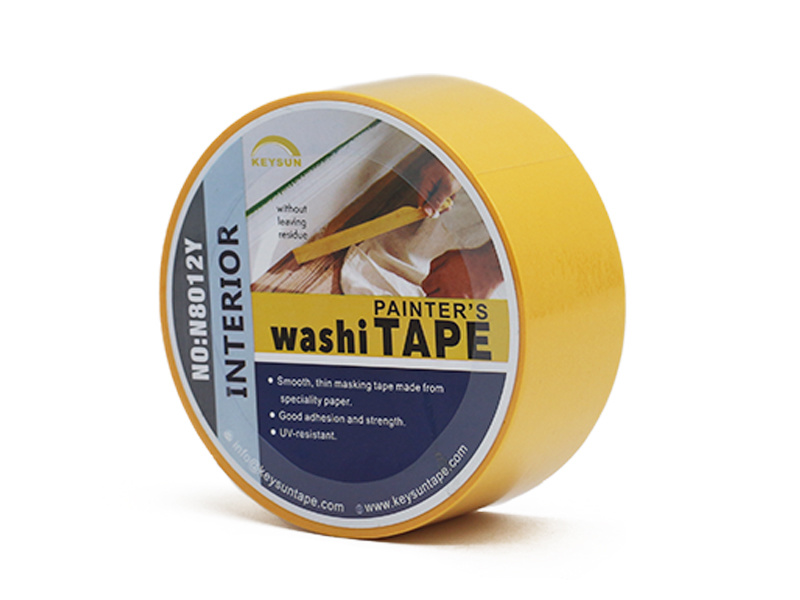
Mastering DIY: Expert Tips for Using Delicate Masking Tape to Achieve Perfect Edges
Mastering DIY: Expert Tips for Using Delicate Masking Tape to Achieve Perfect Edges Table of Contents Understanding Delicate Masking Tape Benefits of Using Delicate Masking Tape Choosing the Right Masking Tape for Your Project Essential DIY Techniques Using Masking Tape Prepping Your Surface for Masking Tape Application Steps for Achieving Perfect Edges with Masking Tape Common Mist
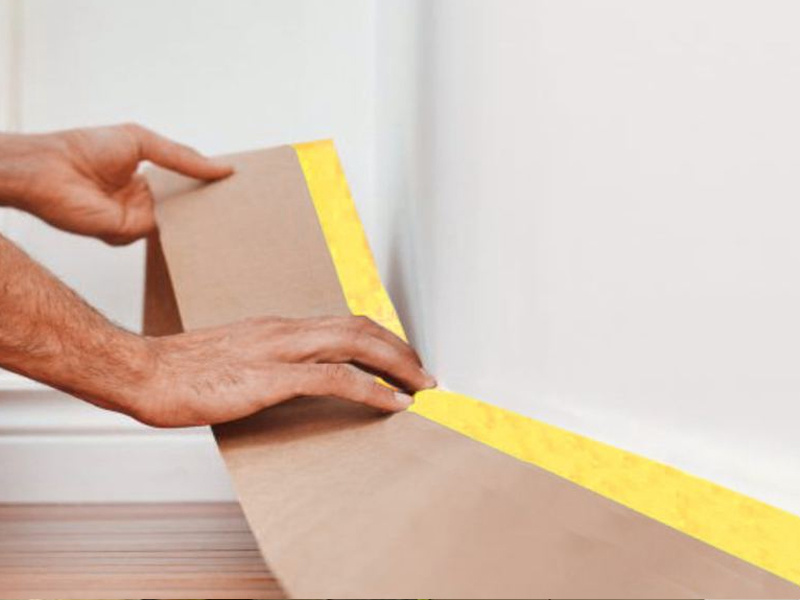
Unlocking the Versatility of EVO Colored Masking Tape: A Comprehensive Guide
EVO Colored Masking Tape is a remarkable adhesive product widely used in various industries, particularly in packaging, labeling, and creative applications. This versatile tape is designed to meet the needs of professionals who require reliable and efficient solutions for their projects. With its unique color options and features, EVO Colored Masking Tape stands out as an invaluable tool for both
// GET A QUOTE
Leave us a message !
At Keysun, we value partnerships and look forward to the opportunity to work with you. Explore our website to learn more about our products and services, and discover how we can meet your needs with our exceptional quality and expertise.
USA Office:
Address: 14380 Telephone Ave, Chino, CA 91710
China Office:
WeChat ID:
1159223657
Address: No.38,changzhong road, zhongluotan town,baiyun dist.,guangzhou, guangdong,China


COPYRIGHT©2024 Guangzhou Baiyun District KEYSUN Decorative Materials Factory Co., Ltd ALL RIGHTS RESERVED