
STICK WITH
THE BEST

Automotive Refinish Washi Tape: A Game Changer for Professional Painters
Release Time:
2026-09-07
Source:
Automotive Refinish Washi Tape: A Game Changer for Professional Painters
Table of Contents
- 1. Introduction to Automotive Refinish Washi Tape
- 2. Understanding Washi Tape: What Makes It Unique?
- 3. The Benefits of Using Automotive Refinish Washi Tape
- 4. Application Techniques for Optimal Results
- 5. Comparison with Traditional Masking Tapes
- 6. Best Practices for Using Automotive Refinish Washi Tape
- 7. Frequently Asked Questions
- 8. Conclusion: Elevate Your Painting Projects
1. Introduction to Automotive Refinish Washi Tape
In the world of automotive refinishing, precision and quality are paramount. Professional painters are always on the lookout for tools and materials that enhance their efficiency while delivering superior results. **Automotive Refinish Washi Tape** has emerged as a revolutionary solution that not only simplifies the painting process but also enhances the final finish of automotive surfaces.
This specialized tape, derived from traditional Japanese Washi, combines strength with flexibility, making it ideal for various applications in automotive painting. Painters now have a reliable partner that helps them achieve crisp lines and protects against overspray, all while being easy to handle and remove.
2. Understanding Washi Tape: What Makes It Unique?
Washi tape is a traditional Japanese masking tape made from the fibers of the **washi** plant, commonly known as the paper mulberry tree. What sets Automotive Refinish Washi Tape apart from conventional tapes is its unique combination of properties:
2.1 Lightweight and Flexible
Unlike traditional masking tapes, Washi tape is lightweight and remarkably flexible. This allows it to conform to curves and edges easily, making it perfect for automotive applications where precision is crucial.
2.2 Excellent Adhesion
Automotive Refinish Washi Tape boasts superior adhesion properties, ensuring that it stays in place during the painting process. This reduces the risk of lifting or tearing, which can compromise the quality of the paint job.
2.3 Easy to Remove
One of the standout features of Washi tape is its easy removal. It comes off cleanly without leaving behind adhesive residue, ensuring that the painted surface remains flawless.
2.4 Variety of Colors and Patterns
While traditional masking tapes are typically bland and utilitarian, Washi tape is available in a variety of colors and patterns. This can add an element of creativity to automotive projects, allowing painters to personalize their work.
3. The Benefits of Using Automotive Refinish Washi Tape
The benefits of incorporating Automotive Refinish Washi Tape into professional painting practices cannot be overstated. Here are some of the key advantages:
3.1 Precision and Clean Lines
Achieving sharp, clean lines is essential in automotive refinishing. Automotive Refinish Washi Tape allows painters to create precise edges that enhance the overall appearance of the vehicle.
3.2 Compatibility with Various Paint Types
This innovative tape is compatible with a wide range of automotive paint types, including solvent-based and water-based paints. This versatility ensures that it meets the needs of various painting projects.
3.3 Resistance to Paint Bleeding
One of the common challenges in automotive painting is paint bleeding beneath the tape. Automotive Refinish Washi Tape minimizes this issue, providing a clean separation between colors.
3.4 Time Efficiency
Using Automotive Refinish Washi Tape can significantly speed up the painting process. Its easy application and removal save valuable time, allowing painters to focus on other critical aspects of their work.
3.5 Enhanced Finished Look
The final result of a paint job using Automotive Refinish Washi Tape is often superior. Painters report that the tape contributes to a more professional appearance, increasing customer satisfaction.
4. Application Techniques for Optimal Results
To maximize the benefits of Automotive Refinish Washi Tape, it's important to follow specific application techniques. Here are some best practices for optimal results:
4.1 Surface Preparation
Before applying the tape, ensure that the surface is clean and free of dust, grease, or contaminants. This creates a better adhesion surface and enhances the tape's effectiveness.
4.2 Proper Alignment
Align the tape carefully along the edges you wish to mask. Take your time to ensure that the tape is straight for clean lines.
4.4 Press Down Firmly
Once applied, press down firmly on the tape to ensure complete contact with the surface. This helps prevent any paint from seeping underneath the tape.
4.5 Remove at the Right Time
For the best results, remove the tape while the paint is still slightly tacky. This helps avoid peeling away any dried paint along with the tape, ensuring a clean edge.
5. Comparison with Traditional Masking Tapes
To understand the true value of Automotive Refinish Washi Tape, it’s essential to compare it with traditional masking tapes.
5.1 Adhesion Strength
Traditional masking tapes may struggle with adhesion on certain surfaces, leading to issues like lifting and paint bleeding. Automotive Refinish Washi Tape, on the other hand, provides a strong bond that holds firmly throughout the painting process.
5.2 Residue Issues
Many traditional tapes leave behind sticky residue upon removal, which can ruin the final appearance of a paint job. Automotive Refinish Washi Tape is designed to peel away clean without leaving any traces.
5.3 Flexibility and Conformance
While traditional tapes can be rigid, Washi tape’s flexibility allows it to follow curves and intricate designs without tearing, making it the superior choice for complex automotive refinishing tasks.
5.4 Ease of Use
Automotive Refinish Washi Tape is lightweight and user-friendly, allowing for quick and easy application and removal, unlike some heavier, more cumbersome traditional tapes.
6. Best Practices for Using Automotive Refinish Washi Tape
To ensure successful results when using Automotive Refinish Washi Tape, consider implementing the following best practices:
6.1 Store Properly
Keep your Washi tape in a cool, dry place away from direct sunlight, which can degrade its adhesive properties over time.
6.2 Test on a Small Area
Before committing to a larger project, test the tape on a small, inconspicuous area to assess how it interacts with the paint and surface.
6.3 Combine with Other Tools
For larger projects, consider combining Washi tape with other masking solutions like plastic sheeting or drop cloths for comprehensive protection against overspray.
6.4 Follow Manufacturer Guidelines
Always refer to the manufacturer's instructions for specific application techniques and recommendations to ensure the best results.
7. Frequently Asked Questions
7.1 What surfaces can Automotive Refinish Washi Tape be used on?
Automotive Refinish Washi Tape is suitable for a variety of surfaces, including metal, plastic, and composite materials typically found in vehicles.
7.2 Can it be used with all types of automotive paint?
Yes, it is compatible with both solvent-based and water-based paints, making it versatile for different projects.
7.3 How do I remove the tape without damaging the paint?
For the best results, remove the tape while the paint is still slightly tacky to prevent peeling.
7.4 Is Automotive Refinish Washi Tape eco-friendly?
Many brands of Washi tape are made from renewable resources and are more environmentally friendly compared to traditional masking tapes.
7.5 How much tape will I need for my project?
The amount of tape required depends on the size and complexity of the areas being painted. It’s advisable to measure the areas and plan accordingly to avoid running short.
8. Conclusion: Elevate Your Painting Projects
In the competitive world of automotive refinishing, having the right tools can make all the difference. **Automotive Refinish Washi Tape** stands out as a game changer, offering professional painters the precision, flexibility, and efficiency they require.
By integrating this innovative tape into your painting projects, you can achieve superior results, save time, and enhance customer satisfaction. Whether you're a seasoned professional or just starting, embracing Automotive Refinish Washi Tape is a step towards elevating your craftsmanship and ensuring your work stands out in the market.
Related Information

Automotive Refinish Washi Tape: A Game Changer for Professional Painters
Automotive Refinish Washi Tape: A Game Changer for Professional Painters Table of Contents 1. Introduction to Automotive Refinish Washi Tape 2. Understanding Washi Tape: What Makes It Unique? 3. The Benefits of Using Automotive Refinish Washi Tape 4. Application Techniques for Optimal Results 5. Comparison with Traditional Masking Tapes 6. Best Practices for Using Automoti

Discover the Versatility of General Washi Tape in Everyday Life
Washi tape, with its origins in Japan, has gained global popularity for its unique design and versatility. General Washi Tape is a decorative adhesive tape made from natural fibers such as rice paper, making it easy to tear and reposition without leaving a sticky residue. This quality makes it an ideal choice for various applications, from crafting to home organization. One of the most appealing

Low Tack Washi Tape: The Secret Weapon for Effortless Home Organization
Low Tack Washi Tape: The Secret Weapon for Easy Home Organization Introduction to Low Tack Washi Tape Low tack washi tape is more than just a decorative material; it's a multi-functional tool that can revolutionize the way you organize your home. Made from rice paper, washi tape is lightweight, easy to tear, and available in a plethora of colors and designs. Unlike traditional adhesives, its low t
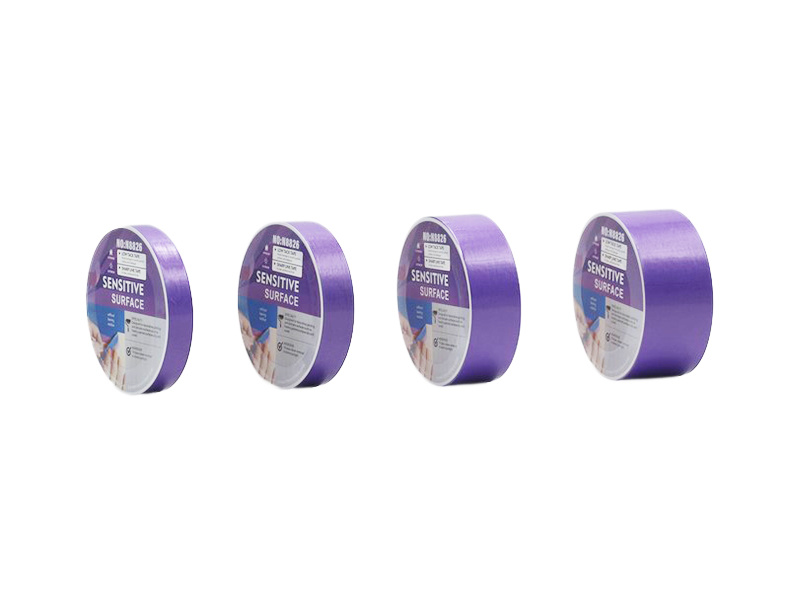
Exploring the Versatility and Benefits of Sensitive Washi Tape in Everyday Applications
Sensitive washi tape, a traditional Japanese paper tape, has gained substantial popularity in recent years due to its unique characteristics and versatility. Made from natural fibers, this tape is lightweight, easy to tear, and often features delicate designs, making it a favorite among crafters and DIY enthusiasts. One of the standout features of sensitive washi tape is its low-tack adhesive, whi
// GET A QUOTE
Leave us a message !
At Keysun, we value partnerships and look forward to the opportunity to work with you. Explore our website to learn more about our products and services, and discover how we can meet your needs with our exceptional quality and expertise.
USA Office:
Address: 14380 Telephone Ave, Chino, CA 91710
China Office:
WeChat ID:
1159223657
Address: No.38,changzhong road, zhongluotan town,baiyun dist.,guangzhou, guangdong,China


COPYRIGHT©2024 Guangzhou Baiyun District KEYSUN Decorative Materials Factory Co., Ltd ALL RIGHTS RESERVED