
STICK WITH
THE BEST

Avoid Common Mistakes with General Purpose Yellow Masking Tape in Painting: A Comprehensive Guide
Release Time:
2026-09-27
Source:
Avoid Common Mistakes with General Purpose Yellow Masking Tape in Painting: A Comprehensive Guide
Painting is an art that requires precision and technique. One of the best tools to achieve clean lines and a professional finish is **general-purpose yellow masking tape**. However, using this tape incorrectly can lead to unsatisfactory results. This guide will delve into the most common mistakes people make with yellow masking tape and how to avoid them, ensuring your next painting project is a resounding success.
Table of Contents
1. Understanding Yellow Masking Tape: What Makes It Special?
2. Choosing the Right Yellow Masking Tape for Your Project
3. Common Mistakes When Using Yellow Masking Tape
3.1 Not Preparing the Surface Properly
3.2 Applying Tape on Wet Surfaces
3.3 Ignoring the Correct Application Technique
3.4 Not Allowing Enough Drying Time
3.5 Removing Tape Too Early or Too Late
4. Best Practices for Using Yellow Masking Tape in Painting
4.1 Surface Preparation Techniques
4.2 Correct Tape Application Methods
4.3 Optimal Drying Times for Different Paints
5. Frequently Asked Questions (FAQs)
6. Final Thoughts on Using Yellow Masking Tape Effectively
1. Understanding Yellow Masking Tape: What Makes It Special?
General-purpose yellow masking tape is a versatile tool in the painting world. Its vibrant color makes it easy to see against most surfaces, providing a clear guideline for where paint should and shouldn't go. Typically made from a thin, flexible paper, yellow masking tape is designed to adhere well to surfaces without leaving a sticky residue upon removal. This feature is crucial for protecting adjacent areas from unwanted paint splatters and ensuring clean lines.
2. Choosing the Right Yellow Masking Tape for Your Project
Not all yellow masking tapes are created equal. When selecting a tape for your painting project, consider the following factors:
- **Adhesion Level:** Choose a tape with the right adhesion level for your surface. For delicate surfaces, opt for a low-tack option.
- **Thickness:** Thinner tapes are better for more intricate designs, while thicker ones can handle rougher surfaces.
- **Temperature Resistance:** If you're working in a high-temperature environment, ensure your tape can withstand the heat without melting or damaging surfaces.
By selecting the appropriate masking tape, you can enhance the quality of your painting results.
3. Common Mistakes When Using Yellow Masking Tape
Despite its utility, many individuals make mistakes when using yellow masking tape. Here, we outline the most common pitfalls and how to avoid them.
3.1 Not Preparing the Surface Properly
One of the biggest mistakes is neglecting to prepare the surface before applying the tape. Ensure the surface is clean, dry, and free of dust or grease. A well-prepared surface allows the tape to adhere better, minimizing the risk of paint bleed.
3.2 Applying Tape on Wet Surfaces
Applying yellow masking tape on wet paint or surfaces can lead to poor adhesion and messy lines. Always wait for the surface to dry completely before taping. This simple step can save you from significant headaches during the painting process.
3.3 Ignoring the Correct Application Technique
Proper application technique is essential for achieving the best results. When applying the tape, press it down firmly to ensure no gaps exist where paint could seep through. Use a putty knife or your finger to ensure a smooth, tight seal.
3.4 Not Allowing Enough Drying Time
Patience is key when painting. Rushing the drying process can lead to smudged lines and a messy finish. Always refer to the paint manufacturer's recommendations for drying times before removing the tape.
3.5 Removing Tape Too Early or Too Late
Timing is everything when it comes to removing yellow masking tape. Pulling it off too early might cause the paint to smudge, while waiting too long can result in peeling or tearing. The ideal time to remove the tape is when the paint is still slightly tacky but not wet — typically about 1 to 2 hours after application.
4. Best Practices for Using Yellow Masking Tape in Painting
To maximize the effectiveness of yellow masking tape, follow these best practices:
4.1 Surface Preparation Techniques
Before applying the tape, clean the surface with a mild detergent or a specialized cleaner. Rinse and dry thoroughly. For glossy surfaces, consider lightly sanding them to improve adhesion.
4.2 Correct Tape Application Methods
When applying the tape, start at one end and gradually work your way down the surface. Use a straight edge to guide your application, ensuring the tape is applied in a straight line. If you're creating complex designs, consider using multiple pieces of tape to achieve the desired effect.
4.3 Optimal Drying Times for Different Paints
Different types of paint have varying drying times. Water-based paints, for example, generally dry faster than oil-based paints. Always consult the product label for specific guidance on drying times and adjust your tape removal schedule accordingly.
5. Frequently Asked Questions (FAQs)
What is yellow masking tape used for in painting?
Yellow masking tape is primarily used to create crisp, clean lines during painting projects. It helps protect adjacent surfaces from overspray and ensures a professional-looking finish.
Can I use yellow masking tape on textured surfaces?
Yes, but ensure the tape is firmly pressed down to avoid paint bleed. For extremely textured surfaces, consider using a more specialized tape designed for uneven surfaces.
How do I know when to remove the masking tape?
Remove the tape when the paint is still slightly tacky but not wet. This typically occurs 1 to 2 hours after application, depending on the type of paint used.
Will yellow masking tape leave residue on the surface?
Quality yellow masking tape is designed to remove cleanly without leaving a sticky residue. However, it's crucial to choose the right tape for your specific surface and conditions.
What should I do if paint bleeds under the tape?
If paint bleeds under the tape, touch up the area with a small brush after removing the tape. For future projects, ensure proper surface preparation and adhesive tape application.
6. Final Thoughts on Using Yellow Masking Tape Effectively
Using general-purpose yellow masking tape can significantly enhance your painting projects if you avoid common mistakes. By understanding the tape's properties, choosing the right one, and adhering to best practices, you'll achieve crisp lines and a professional finish every time. Remember, preparation is key, and patience will yield the best results. With these strategies in mind, you’ll be well-equipped to tackle any painting project with confidence.
Related Information
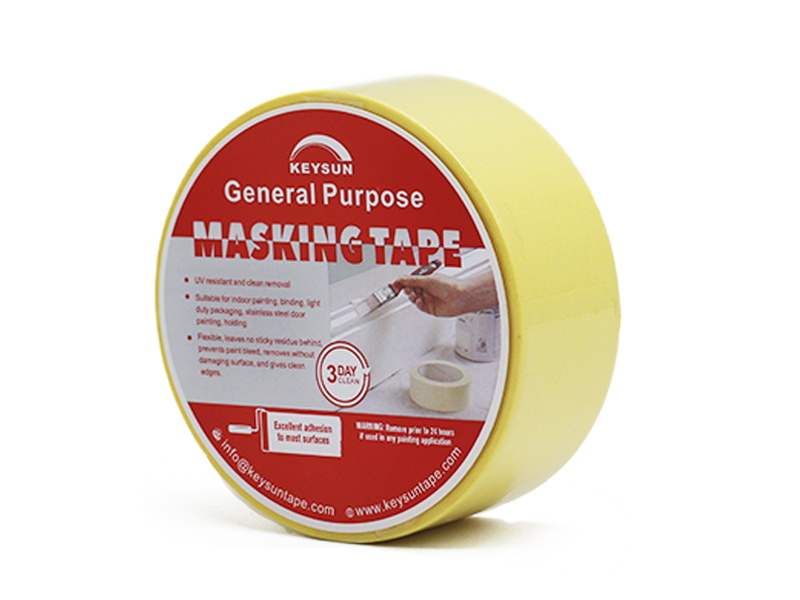
Avoid Common Mistakes with General Purpose Yellow Masking Tape in Painting: A Comprehensive Guide
Avoid Common Mistakes with General Purpose Yellow Masking Tape in Painting: A Comprehensive Guide Painting is an art that requires precision and technique. One of the best tools to achieve clean lines and a professional finish is **general-purpose yellow masking tape**. However, using this tape incorrectly can lead to unsatisfactory results. This guide will delve into the most common mistakes peop

Understanding Masking Tape: Essential Insights for Professionals in Adhesive Products
Masking tape is a versatile adhesive product widely used in various industries, particularly in light industrial goods, including labeling, tape, and adhesive products. Known for its ease of use and effectiveness, this type of tape is essential for professionals seeking solutions for precise applications. Understanding its characteristics, varieties, and applications can significantly impact your
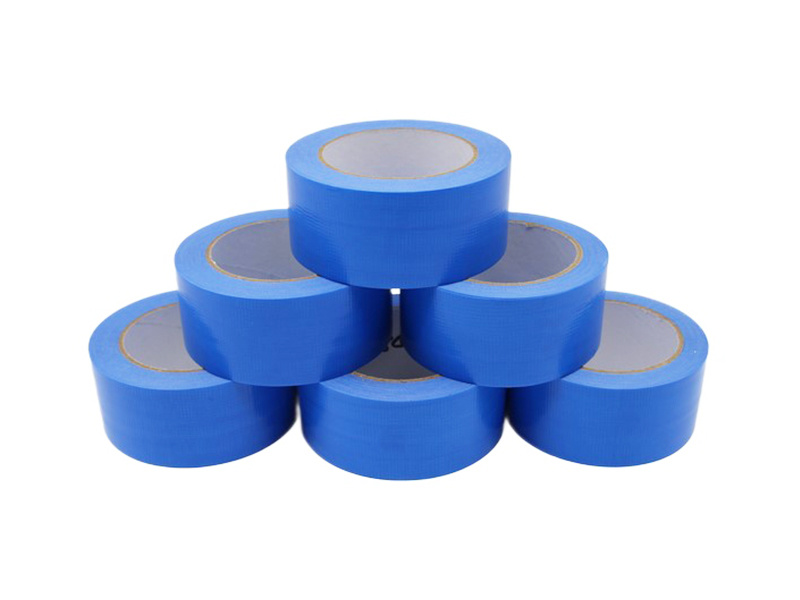
Common Mistakes to Avoid When Using Smooth Surface PE Tape: A Comprehensive Guide
Common Mistakes to Avoid When Using Smooth Surface PE Tape Smooth surface PE tape is a versatile adhesive solution widely utilized in various industries, including packaging, labeling, and even construction. Despite its popularity and effectiveness, many users make common mistakes that compromise its performance. In this comprehensive guide, we will explore these mistakes, offer solutions, and pro
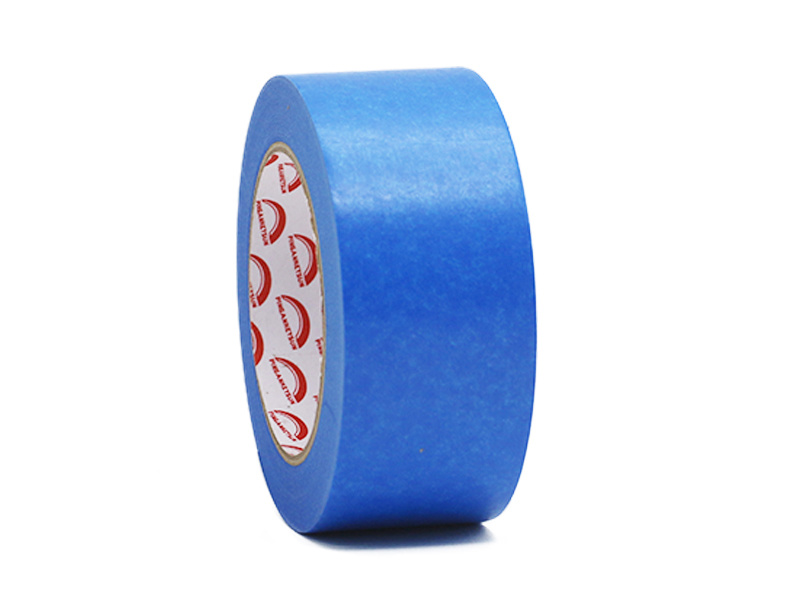
Mastering the Use of Delicate Painters Tape for Precision Projects
Delicate Painters Tape is a specialized adhesive tape designed to meet the needs of professionals and hobbyists alike who require precision in their projects. This tape is particularly beneficial in applications where clean lines and minimal residue are paramount, such as painting, crafting, and various DIY tasks. Unlike traditional masking tapes, Delicate Painters Tape features a gentler adhesive
// GET A QUOTE
Leave us a message !
At Keysun, we value partnerships and look forward to the opportunity to work with you. Explore our website to learn more about our products and services, and discover how we can meet your needs with our exceptional quality and expertise.
USA Office:
Address: 14380 Telephone Ave, Chino, CA 91710
China Office:
WeChat ID:
1159223657
Address: No.38,changzhong road, zhongluotan town,baiyun dist.,guangzhou, guangdong,China


COPYRIGHT©2024 Guangzhou Baiyun District KEYSUN Decorative Materials Factory Co., Ltd ALL RIGHTS RESERVED