
STICK WITH
THE BEST

The Essential Guide to Masking Tape: Applications, Benefits, and Best Practices
Release Time:
2026-05-25
Source:
One of the primary advantages of masking tape is its ability to provide a clean, precise edge when painting or applying finishes. It is specifically designed to prevent paint bleed, making it ideal for professional painters and DIY enthusiasts alike. This quality is particularly useful in the packaging industry, where precision and aesthetic appeal are essential for product presentation. Masking tape can be used to create sharp lines on product packaging, ensuring a polished and professional look.
In addition to its use in painting, masking tape serves a variety of other applications. For instance, it can be employed for temporary labeling, bundling items together, or even as a surface protector. Its easy-to-tear design allows for quick application and removal, making it a time-saving solution for professionals who need to work efficiently. Furthermore, masking tape adheres well to various surfaces, including paper, glass, and wood, allowing for versatile usage across multiple projects.
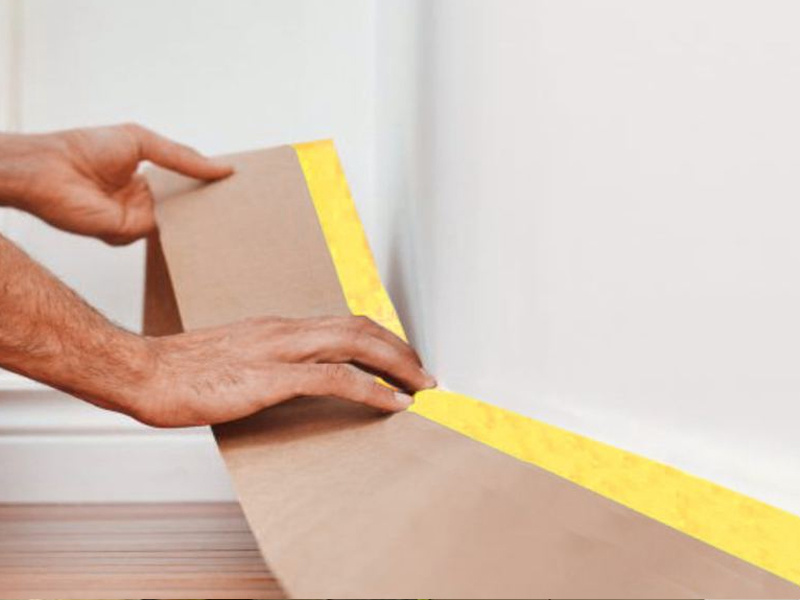
When it comes to best practices for using masking tape, there are several tips that can enhance the effectiveness of this adhesive product. Firstly, always ensure that the surface is clean and dry before applying the tape. This step is crucial for achieving optimal adhesion and preventing peeling or lifting during the project. Secondly, apply the tape firmly, pressing down along the edges to create a strong bond. This technique minimizes the risk of paint bleed and ensures that the tape stays in place throughout the duration of the job.
Another important consideration is the duration for which the masking tape is left on the surface. While masking tape is designed for easy removal, extended application can lead to adhesive residue or damage to the surface beneath. It is advisable to remove the tape shortly after the application is complete, ideally when the paint is still slightly wet or immediately after the task is finished.
In conclusion, masking tape is a crucial tool in the light industrial consumer goods sector, particularly in the packaging and labeling domains. Its versatility, ease of use, and ability to create clean lines make it an essential choice for professionals. By understanding its applications and implementing best practices, businesses can optimize their use of masking tape, resulting in higher quality outcomes and improved operational efficiency.
Related Information
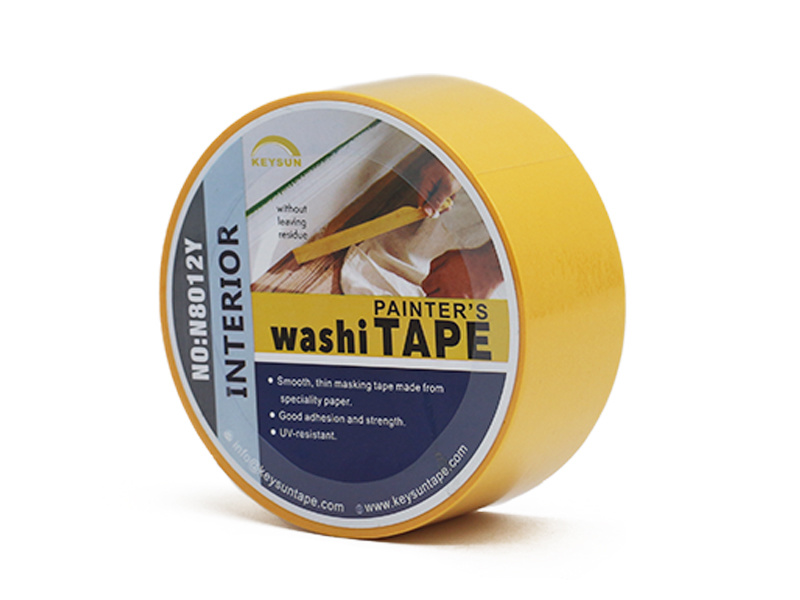
Mastering DIY: Expert Tips for Using Delicate Masking Tape to Achieve Perfect Edges
Mastering DIY: Expert Tips for Using Delicate Masking Tape to Achieve Perfect Edges Table of Contents Understanding Delicate Masking Tape Benefits of Using Delicate Masking Tape Choosing the Right Masking Tape for Your Project Essential DIY Techniques Using Masking Tape Prepping Your Surface for Masking Tape Application Steps for Achieving Perfect Edges with Masking Tape Common Mist
Unlocking the Versatility of EVO Colored Masking Tape: A Comprehensive Guide
EVO Colored Masking Tape is a remarkable adhesive product widely used in various industries, particularly in packaging, labeling, and creative applications. This versatile tape is designed to meet the needs of professionals who require reliable and efficient solutions for their projects. With its unique color options and features, EVO Colored Masking Tape stands out as an invaluable tool for both
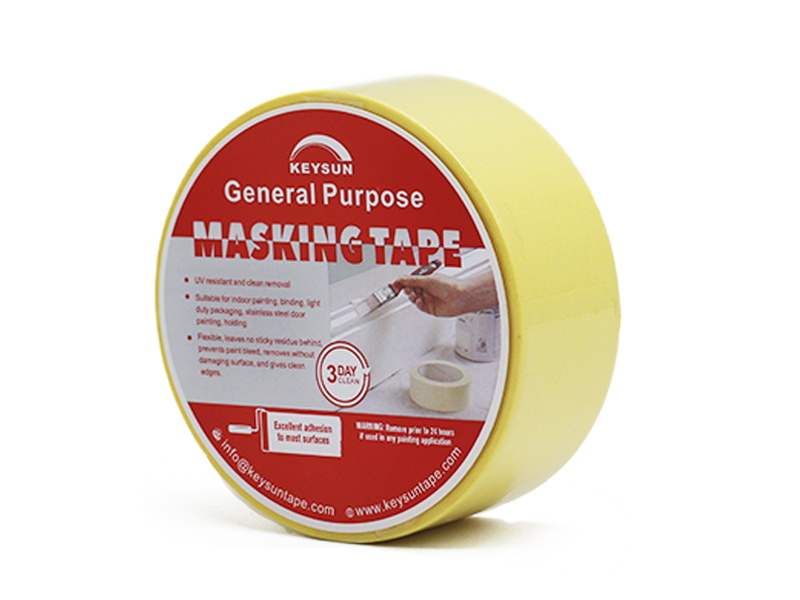
Avoid Common Mistakes with General Purpose Yellow Masking Tape in Painting: A Comprehensive Guide
Avoid Common Mistakes with General Purpose Yellow Masking Tape in Painting: A Comprehensive Guide Painting is an art that requires precision and technique. One of the best tools to achieve clean lines and a professional finish is **general-purpose yellow masking tape**. However, using this tape incorrectly can lead to unsatisfactory results. This guide will delve into the most common mistakes peop

Understanding Masking Tape: Essential Insights for Professionals in Adhesive Products
Masking tape is a versatile adhesive product widely used in various industries, particularly in light industrial goods, including labeling, tape, and adhesive products. Known for its ease of use and effectiveness, this type of tape is essential for professionals seeking solutions for precise applications. Understanding its characteristics, varieties, and applications can significantly impact your
// GET A QUOTE
Leave us a message !
At Keysun, we value partnerships and look forward to the opportunity to work with you. Explore our website to learn more about our products and services, and discover how we can meet your needs with our exceptional quality and expertise.
USA Office:
Address: 14380 Telephone Ave, Chino, CA 91710
China Office:
WeChat ID:
1159223657
Address: No.38,changzhong road, zhongluotan town,baiyun dist.,guangzhou, guangdong,China


COPYRIGHT©2024 Guangzhou Baiyun District KEYSUN Decorative Materials Factory Co., Ltd ALL RIGHTS RESERVED